 Glen
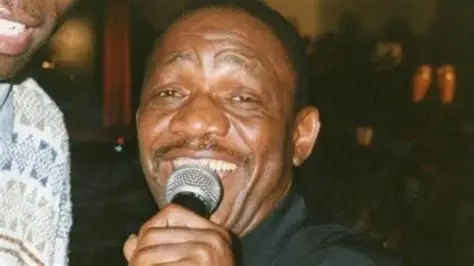
GlenSonny Okosun, also known as Sunny Okosuns or Sonny Okosuns, was a Nigerian musician, bandleader, and later evangelist who left a lasting mark on African music and social consciousness. Born on 1 January 1947, he rose to prominence as the leader of the Ozzidi band, blending highlife, reggae, funk, and Afrobeat into a distinctive sound that carried messages of Pan-African unity, freedom, and resistance against oppression.
His songs addressed political struggles across the continent, particularly apartheid in South Africa, making him a voice for liberation movements in the 1970s and 1980s. Okosun recorded dozens of albums, achieved international recognition, and later transitioned into gospel music and ministry. His life reflected dedication to both artistic expression and broader causes, influencing generations of listeners in Nigeria and beyond. He passed away in 2008, but his music and legacy continue to resonate.
Sonny Okosun Early Life and Background
Sonny Okosun was born on 1 January 1947 in Edo State, Nigeria, with sources pointing to areas around Benin City or Enugu. He came from an Esan (Ishan) ethnic background. As a young boy, he spent much of his early childhood with his grandmother in Ibore, near Irrua in Edo State. He later moved to Enugu to live with his parents, where his father worked with the Nigerian Railway Corporation.
His family had a strong musical tradition. His parents were involved in traditional music and active in church. This environment nurtured his interest in sound and performance from an early age. Okosun attended schools in Enugu, including St. Brigid’s School in Asata, and enrolled at a government trade centre. However, he left formal education early due to his passion for music and entertainment. He showed little interest in completing academic programs and instead pursued creative paths.
In his youth, Okosun drew inspiration from Western artists like Elvis Presley, Cliff Richard, and the Beatles. He taught himself to play the guitar, often practicing instead of following other apprenticeships, such as mechanics. His parents supported church music, and he sang in the choir at places like the Holy Ghost Cathedral in Enugu. These experiences built his skills in melody, rhythm, and performance.
Okosun moved to Lagos seeking opportunities in acting and drama. He took lessons at a drama school in Surulere but returned to Enugu after a short time. There, he took small roles in dramatic productions and worked with figures like Professor John Okwerri. He also appeared in radio and television skits for the Eastern Nigeria Television Station. This period in theater and entertainment laid the foundation for his later music career.
Sonny Okosun Education
Okosun had limited formal education. He completed elementary schooling in Enugu but did not advance to secondary school or higher institutions. His time at the government trade centre ended before graduation as music took priority. He often described how his love for performance pulled him away from conventional studies. Despite this, he developed deep knowledge through self-teaching, practical experience in bands, and immersion in various musical traditions. His success demonstrated that talent, determination, and real-world practice could overcome the lack of advanced academic credentials.
Sonny Okosun Musical Beginnings and Career
Okosun’s professional journey started in the 1960s. He formed his first band, the Postmen, around 1966, playing cover songs. He later joined Victor Uwaifo’s group, gaining valuable experience in highlife and performance. In 1972, he created Paperback Ltd., which he renamed Ozzidi. The name drew from an Ijaw river god but carried the meaning “there is a message” for Okosun.
The Ozzidi band became central to his identity. His style mixed highlife roots from Edo heritage with guitar riffs, reggae, funk, and Afrobeat elements. Early albums included Ozzidi (1976), Living Music (1977), and Ozzidi for Sale (1976 or 1977). His breakthrough came with the single “Help,” which sold nearly 100,000 copies in Nigeria.
From 1977 onward, Okosun focused on protest and socially conscious songs. Hits like “Fire in Soweto” (1977 or 1978) brought international attention and became a gold album. It highlighted apartheid struggles in South Africa. Other notable releases included Papa’s Land (1977), Holy Wars (1978), 3rd World (1981), Mother and Child (1982), Which Way Nigeria? (1983), Liberation (1984), Revolution II (1985), and Africa Now or Never (1986).
He collaborated with international figures and contributed to the 1985 anti-apartheid album Sun City. His track “Highlife” appeared in the 1986 film Something Wild. Okosun toured widely, performed at major events, and recorded in various locations, including the US and Europe. He sang in multiple languages, English, Esan, Igbo, Yoruba, and Hausa, broadening his appeal across Nigeria and Africa.
By the late 1980s, his secular popularity declined somewhat with shifting tastes, but he adapted successfully. In the early 1990s, he turned to Christianity and released gospel albums as Evangelist Sunny Okosuns. Songs of Praise (1994) sold hundreds of thousands to nearly a million copies, marking a strong comeback in the gospel scene. He continued producing music into the 2000s, with releases like Celebrate and Worship in Caribbean Rhythms (2000) and others. Over his career, he released around 39 albums.
Sonny Okosun Key Songs and Albums
Okosun produced many memorable works. Standout songs include “Fire in Soweto,” “African Soldier,” “Mother and Child,” “Holy Wars,” “Which Way Nigeria?,” “Power to the People,” and “Wind of Change.” These tracks combined catchy rhythms with calls for justice and unity.
Major albums from his Ozzidi era captured the spirit of African liberation:
- Fire in Soweto (1978)
- Papa’s Land (1977)
- Liberation (1984)
- Revolution II (1985)
His gospel phase featured uplifting tracks and albums focused on faith, praise, and spiritual renewal, such as Songs of Praise. He also experimented with Caribbean rhythms in later worship music. Many of his songs remain popular today through reissues and covers.
Sonny Okosun Achievements and Impact
Okosun achieved significant success as one of Nigeria’s leading musicians in the late 1970s to mid-1980s. “Fire in Soweto” earned gold status and elevated his profile globally. He was the primary African contributor to Sun City and performed at Nelson Mandela’s inauguration events. His music supported anti-apartheid efforts and Pan-African causes in places like Zimbabwe, Namibia, and Angola.
He received recognition for using music as a tool for social change rather than just entertainment. His Ozzidi sound influenced African pop and world music. In Nigeria, he stood out for addressing local issues like governance and unity in songs such as “Which Way Nigeria?” Later, his gospel work made him a prominent figure in Christian music circles. He founded the House of Prayer Ministry in 1998 in Ogba, Ikeja, Lagos, where he served as a preacher.
Okosun’s legacy includes cultural pride, activism through art, and resilience in career reinvention. His efforts helped amplify African voices on the global stage during critical historical moments.
Sonny Okosun Personal Life
Okosun had a complex personal life with multiple marriages and relationships. He was married several times, with his longest union to Florence Okosun (later Evangelist or Pastor Florence Sunny-Okosun) lasting about 40 years until his death. Florence became involved in his ministry and continued leading the House of Prayer after he passed.
He fathered several children, including Sydney (or Sidney), Michael, Ebony, and Adesuwa. Some reports mention additional children from various relationships, and he welcomed many young people into his home, treating his large household like a commune. Family life included both biological and adopted or extended members who took his surname. There were occasional public family matters, such as statements clarifying lineage.
Okosun was known as a peaceful family man who cared deeply for his children and community. Despite a busy career and many admirers, his wife described their bond as strong. He lived modestly in many ways and remained accessible. In later years, he focused on faith, family, and ministry while continuing music.
Sonny Okosun Later Life and Ministry
In the 1990s, Okosun experienced a spiritual transformation and fully embraced Christianity. He shifted from secular protest music to gospel and evangelism. This change aligned with his lifelong interest in messages with meaning. He founded the House of Prayer Ministry in 1998 at his residence in Ogba, Lagos, turning it into a center for worship and community.
Even as an evangelist, he continued creating music with spiritual themes. He remained active until health issues arose. Okosun traveled to the United States for his daughter’s graduation in 2008 while already unwell.
Read More: Alicia Kanini Biography, Age, Net Worth, Education, Husband and Family Background
Sonny Okosun Death and Legacy
Sonny Okosun died on 24 May 2008 at age 61 from colon cancer at Howard University Hospital in Washington, DC. He had been ill for some time but kept details private from some family members initially. He was buried at his home on Yaya Abatan Street in Ogba, Lagos.
His death prompted tributes from Nigerian officials, musicians, and fans worldwide. Okosun is remembered as a freedom fighter through music, a pioneer of conscious African pop, and a dedicated minister. His church continues under his wife’s leadership. Family members have worked to preserve his catalog through reissues and potential remixes. His songs still inspire discussions on unity, justice, and faith.
Conclusion
Sonny Okosun lived a life defined by creativity, conviction, and change. From humble beginnings in Edo State to international stages, he used his talents to entertain, educate, and advocate. His Ozzidi music captured the hopes and struggles of a generation, while his gospel work reflected personal growth and service. Okosun’s story shows the power of music to cross borders and touch hearts. His contributions endure in playlists, church services, and conversations about African history and culture.
FAQs
Who was Sonny Okosun?
Sonny Okosun was a Nigerian musician and evangelist known for leading the Ozzidi band and creating music that blended African rhythms with reggae, funk, and highlife. He used his platform to address social and political issues.
What is Sonny Okosun best known for?
He is best known for songs like “Fire in Soweto” that supported anti-apartheid efforts and promoted Pan-Africanism, as well as his later gospel music.
When and where was Sonny Okosun born?
He was born on 1 January 1947 in Edo State, Nigeria.
When did Sonny Okosun die?
Sonny Okosun died on 24 May 2008 in Washington, DC.
What genres did Sonny Okosun perform?
His music spanned highlife, reggae, Afro-funk, protest songs, and gospel.
Did Sonny Okosun have children?
Yes, he had several children, including Sydney, Michael, Ebony, and Adesuwa, among others from his family life.
What was Sonny Okosun’s band called?
His main band was Ozzidi (sometimes spelled Ozziddi).
Where did Sonny Okosun found his church?
He established the House of Prayer Ministry in Ogba, Ikeja, Lagos, Nigeria.


 Glen
Glen