 Glen
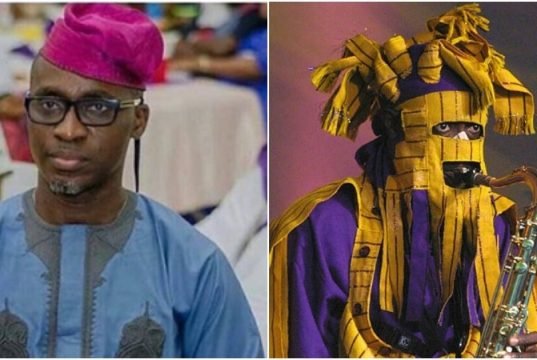
GlenBisade Ologunde, popularly known as Lagbaja, is a Nigerian Afrobeat musician, singer-songwriter, saxophonist, and percussionist. He stands out for his signature use of masks that conceal his identity during performances. This approach symbolizes the faceless “everyman” in society. His music blends traditional Yoruba rhythms, percussion, jazz, highlife, and funk elements. It often carries strong social and political messages about unity, good governance, leadership failures, and everyday Nigerian struggles.
Lagbaja’s stage name, derived from Yoruba, roughly translates to “nobody in particular” or “faceless one.” It reflects his philosophy that the focus should remain on the message and the collective experience rather than individual stardom. Over decades, he has built a dedicated following through innovative sounds, live performances, and venues like his Motherlan’ club in Lagos. His work continues to influence Nigerian music by reviving Afrobeat traditions while addressing contemporary issues.
Lagbaja Early Life
Bisade Ologunde was born on February 16, 1960 (some sources cite January 16), in Lagos, Nigeria. He holds Nigerian nationality with deep Yoruba cultural roots, specifically from Odogun’s Compound in Ijagbo community, Oyun Local Government Area of Kwara State.
He grew up in a family with strong Yoruba traditions and Baptist influences. His father was a deacon. As a child, Ologunde showed early fascination with music and instruments. He started with the harmonica, winning local competitions in Ibadan, Oyo State, where he spent part of his early years. This sparked a lifelong passion for percussion and wind instruments.
The rich musical environment of Nigeria, including Afrobeat pioneers like Fela Kuti, shaped his early exposure. He absorbed traditional Yoruba rhythms, talking drums, and communal performance styles. These elements later defined his sound. His emphasis on anonymity and representing the common person ties back to Yoruba cultural practices, such as carnival traditions where masks allow performers to embody broader social roles.
Lagbaja Education
Ologunde attended local primary and secondary schools in Lagos and Ibadan. He pursued higher education at Obafemi Awolowo University (formerly University of Ife), earning a degree related to Education Biology. Some accounts mention studies or a master’s at the University of Lagos, and influences from civil engineering interests in certain profiles.
Despite his formal training in sciences, music remained his true calling. He self-taught saxophone and other instruments while balancing academics. This multidisciplinary background informed his thoughtful, socially conscious lyrics that appeal to both educated and everyday audiences.
Lagbaja Musical Career
Lagbaja launched his professional career in the early 1990s after teaching himself saxophone. In 1991, he formed his first band in Lagos. The group emphasized percussion, including congas and talking drums, drawing from highlife, jazz, and Yoruba traditions.
His debut efforts included the 1993 album Lagbaja (and Ikira), which gained national acclaim. He followed with C’est Un African Thing in 1996, a major success that highlighted his fusion style. The late 1990s and early 2000s marked his peak popularity. In 2000, he released multiple projects: ME, WE, We and Me Part II, and ABAMI (a tribute to Fela). These albums addressed political honesty, unity, and African identity.
He established Motherlan’ club in Ikeja, Lagos, in 1997. The venue, inspired by traditional African town squares and moonlight gatherings, became a hub for live music, dance, and cultural performances. It mirrored Fela’s Afrika Shrine and provided a space for his “Africano” sound, a term he preferred over strict Afrobeat labels.
Lagbaja collaborated with artists like Ego Ihenacho (backup vocals) and participated in humanitarian projects. In 1995, he joined the International Red Cross “WOZA AFRICA” campaign with Youssou N’Dour, Papa Wemba, and Lucky Dube. They raised awareness about child soldiers through performances in conflict zones and a Paris concert.
His saxophone playing features a strong, Coltrane-like tone. Songs mix humor, Pidgin English, Yoruba elements, and calls for social reform. He has released music into the 2010s and beyond, including collaborations like recent tracks with Fireboy DML and others.
Lagbaja Notable Albums and Songs
Lagbaja has a rich discography focused on groove, percussion, and message-driven tracks. Key albums include:
- Lagbaja (1993) and Ikira (1993) – breakthrough releases.
- C’est Un African Thing (1996) – one of his most popular.
- ME (2000), WE (2000), and related projects emphasizing collective identity.
- ABAMI (2000) – tribute to Fela Kuti.
- Africano… the Mother of Groove (2005) – featuring hits like “Never Far Away” and “Skentele Skontolo.”
- Paradise (2009) and Sharp Sharp (2009).
- 200 Million Mumu (The Bitter Truth) (2012).
Popular songs span “Never Far Away” (romantic and award-winning), “Side By Side,” “Africa Wake Up,” “So Why?,” and many percussion-heavy instrumentals or socially charged tracks like “Naija Must Sweet Again” and “Bad Leadership.” His live shows and club performances amplify these through energetic rhythms and audience participation.
Lagbaja Achievements
Lagbaja earned multiple awards, including six Nigerian music awards in 2001 for Artist of the Year, Album of the Year, and Producer of the Year tied to his 2000 releases. In 2006, he won the Channel O Music Video Awards for Best Male Video with “Never Far Away.”
Beyond awards, his legacy includes popularizing masked performances and the “Africano” style. Motherlan’ club has hosted generations of artists and preserved live music culture. His humanitarian work and consistent social commentary have made him a voice for reform. He remains influential, with music still streamed and sampled today.
Lagbaja Style and Philosophy
Lagbaja’s music prioritizes African drums and percussion at its core, layered with saxophone, horns, and modern grooves. He avoids overemphasizing personal fame. The mask represents the voiceless common person, reminding audiences of shared humanity and societal issues. This concept has inspired other artists.
His lyrics tackle corruption, unity (“We Before Me”), love, and cultural pride in accessible, danceable formats. This balance of entertainment and commentary sustains his relevance.
Lagbaja Personal Life
Lagbaja keeps his personal life private, consistent with his anonymous persona. He is married and has children, including a daughter named Moyosade who resides in the United States. Details about his family remain limited, with rare public appearances without the mask, such as at his daughter’s wedding where photography was restricted.
He has lived in Manhattan, New York, at times while maintaining strong ties to Lagos. His Baptist background influences his values, and he continues to advocate for bridging gaps between ordinary people and leaders through art and community efforts.
Read More: Alicia Kanini Biography, Age, Net Worth, Education, Husband and Family Background
Conclusion
Bisade Ologunde, through his alter ego Lagbaja, has created a distinctive space in Nigerian and African music. His masked performances, rhythmic innovations, and commitment to social messages have entertained and provoked thought for over three decades. From self-taught beginnings to establishing cultural landmarks like Motherlan’, his journey embodies creativity, cultural pride, and quiet activism. Lagbaja’s work reminds listeners that music can unify, critique, and uplift without needing a famous face, only a powerful voice.
FAQs
What is Lagbaja’s real name?
Lagbaja’s real name is Bisade Ologunde.
Where and when was Lagbaja born?
He was born in Lagos, Nigeria, in 1960.
Why does Lagbaja wear a mask?
The mask symbolizes the faceless “everyman” or common person in society, emphasizing anonymity so the music and message take center stage rather than the individual.
What genre of music does Lagbaja perform?
He performs Afrobeat fused with Yoruba percussion, jazz, highlife, and funk, often calling it “Africano.”
What are some of Lagbaja’s popular albums?
Notable albums include Lagbaja (1993), C’est Un African Thing (1996), ME and WE (2000), Africano… the Mother of Groove (2005), and others up to the 2010s.
Has Lagbaja won any major awards?
Yes, including multiple Nigerian music awards in 2001 and the 2006 Channel O Best Male Video award for “Never Far Away.”
What is Motherlan’ club?
It is a cultural venue in Ikeja, Lagos, founded by Lagbaja in 1997, inspired by traditional African gathering spaces for music and performances.
Is Lagbaja still active in music?
Yes, with releases and collaborations continuing into recent years alongside his enduring catalog.


 Glen
Glen