 Glen
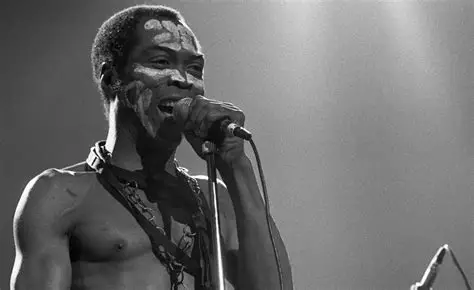
GlenFela Aníkúlápó Kútì, born Olufela Olusegun Oludotun Ransome-Kuti on 15 October 1938 in Abeokuta, British Nigeria, was a Nigerian musician, bandleader, and political activist. He pioneered the Afrobeat genre, blending West African rhythms, jazz, funk, and highlife with sharp political lyrics that challenged corruption, military rule, and neocolonialism.
Fela became a voice for the oppressed in Nigeria and across Africa. His music and activism inspired generations, even as authorities harassed, arrested, and attacked him repeatedly. He declared his commune the Kalakuta Republic as a symbol of independence from the state. Songs like “Zombie” and “Coffin for Head of State” turned personal and collective struggles into powerful anthems. His legacy endures through his sons Femi and Seun Kuti, who continue performing Afrobeat, and through posthumous honors including a Grammy Lifetime Achievement Award.
Fela Kuti Early Life
Fela Kuti grew up in a politically engaged upper-middle-class Yoruba family in Abeokuta. His mother, Funmilayo Ransome-Kuti, was a prominent anti-colonial feminist who led the Abeokuta Women’s Riots in 1946. His father, Israel Oludotun Ransome-Kuti, served as an Anglican minister, school principal, and the first president of the Nigeria Union of Teachers. Both parents shaped Fela’s strong sense of justice and resistance to authority.
The family environment exposed young Fela to activism and music early. His father played piano, and the household valued education and cultural pride. Fela attended Abeokuta Grammar School, where he developed an interest in music. This foundation prepared him for a life that merged art with politics. His extended family included notable figures like his cousin, Nobel laureate Wole Soyinka.
Fela Kuti Education
Fela initially planned to study medicine like his brothers, but music called him instead. In 1958, he moved to London, invited by his brother Beko, a medical student. He enrolled at Trinity College of Music, focusing on trumpet while also studying piano. There, he formed the band Koola Lobitos and experimented with fusions of jazz and highlife.
London offered Fela exposure to diverse musical scenes and ideas about African identity. He absorbed influences from jazz greats and African diasporic sounds. These years proved crucial, as he honed his skills as a performer and bandleader. Upon returning to Nigeria in 1963, he brought back a refined musical vision and a growing awareness of global inequalities.
Fela Kuti Musical Beginnings and Return to Nigeria
Back in Nigeria, Fela reformed Koola Lobitos and worked as a radio producer for the Nigerian Broadcasting Corporation. He blended highlife, jazz, and local rhythms, gradually developing what would become Afrobeat. Early releases showed his evolving style, with longer tracks allowing for extended grooves and improvisation.
By the mid-1960s, Fela performed regularly and built a dedicated following. A 1969 trip to the United States with his band exposed him to Black Power movements, funk, and soul. This period transformed his music and politics. He renamed the band Nigeria ’70 (later Africa ’70) and embraced bolder, socially conscious lyrics.
Fela Kuti Afrobeat Innovation and Rise to Prominence
Fela created Afrobeat as a powerful hybrid genre. It combined Yoruba rhythms, highlife, jazz improvisation, funk basslines, and extended percussion sections. Songs often lasted 10 to 30 minutes, featuring call-and-response vocals, horn sections, and driving grooves ideal for live performance.
Key early albums established his sound. Fela Fela Fela (1970), Fela’s London Scene (1971), and Open & Close (1971) highlighted energetic rhythms and emerging political themes. Collaborations, such as with drummer Ginger Baker on Live! (1971), brought international attention. Fela’s band, Africa ’70, with Tony Allen on drums, became legendary for tight, hypnotic performances.
In the 1970s, Fela released a prolific stream of albums. Standouts include Gentleman (1973), critiquing colonial mentality; Expensive Shit (1975), based on a real incident where police searched his feces for marijuana; and Zombie (1977), a scathing attack on military obedience. These works made him a superstar in Nigeria and a symbol of resistance.
Major albums and songs (in bullet form for reference, as appropriate for a singer):
- Zombie (1977) – iconic critique of soldiers
- Gentleman (1973)
- Expensive Shit (1975)
- Shuffering and Shmiling (1978)
- Coffin for Head of State (1981)
- Beasts of No Nation (1989)
- Songs like “Water No Get Enemy,” “Lady,” “International Thief Thief” (I.T.T.), and “Sorrow, Tears and Blood”
Fela’s live shows at the Afrika Shrine became cultural events, mixing music, dance, and political speeches.
Fela Kuti Kalakuta Republic and Government Conflicts
In 1970, Fela established the Kalakuta Republic, a commune in Lagos that operated as a self-declared independent space for musicians, activists, and followers. It symbolized freedom from military control and hosted creative and political activities.
Tensions with authorities escalated. After “Zombie” mocked soldiers, the military raided Kalakuta in February 1977 with around 1,000 troops. They burned the compound, beat residents, destroyed instruments and recordings, and threw Fela’s elderly mother, Funmilayo, from a window. She died from complications in 1978. Fela responded with the coffin procession to military barracks and songs like “Coffin for Head of State” and “Unknown Soldier.”
Arrests, beatings, and harassment continued throughout his career. In 1984, under Muhammadu Buhari, Fela served about 20 months in prison on currency charges. These experiences deepened his commitment to activism.
Fela Kuti Political Activism and Movement of the People
Fela used music as a weapon against corruption, poverty, and foreign exploitation. He criticized Nigerian leaders, multinational companies, and colonial legacies in Pidgin English, making messages accessible. His newspaper columns “Chief Priest Say” extended this commentary.
In 1979, he formed the Movement of the People (MOP) party, aiming for social justice, Pan-African unity, and an end to military rule. Though his presidential bid failed, the party amplified his ideas. Fela advocated African pride, traditional values, and resistance to neocolonialism.
Fela Kuti Later Career and Egypt ’80
After the 1977 raid, Fela formed Egypt ’80 with new musicians. Albums like Original Suffer Head (1981), Army Arrangement (1984), Teacher Don’t Teach Me Nonsense (1987), and Beasts of No Nation (1989) maintained his fiery style. International tours and collaborations, including with Roy Ayers, expanded his reach.
He continued performing and recording into the 1990s despite health challenges. His final albums, such as Underground System (1992), showed enduring creativity.
Fela Kuti Personal Life
Fela married Remilekun Taylor in 1960; they had three children, including Femi and Yeni. He later embraced polygamy, marrying 27 women in 1978, many dancers and singers in his band. These relationships reflected his views on African traditions and provided mutual protection. He had many children, including musician Seun Kuti.
Fela openly used marijuana and incorporated Yoruba spirituality. His lifestyle defied conventions, drawing both admiration and criticism. Family and band members formed a close-knit community around his vision.
Fela Kuti Legacy and Influence
Fela died on 2 August 1997 in Lagos from AIDS-related complications. His funeral drew massive crowds. Posthumously, his music reached new audiences through reissues overseen by Femi Kuti. The Broadway musical Fela! (2008) and documentaries like Finding Fela (2014) celebrated his life.
Fela influenced global artists across funk, hip-hop, jazz, and world music. His activism inspired movements for justice. In 2026, he received a posthumous Grammy Lifetime Achievement Award, recognizing his pioneering role.
Read More: Alicia Kanini Biography, Age, Net Worth, Education, Husband and Family Background
Conclusion
Fela Kuti transformed African music and politics through fearless creativity and resistance. From his early experiments to Afrobeat anthems that confronted power, he gave voice to ordinary people. His life of defiance, despite personal costs, continues to resonate as a call for freedom and African self-determination.
FAQs
What is Fela Kuti best known for?
Fela Kuti is best known as the creator of Afrobeat and for using music to fight against military dictatorship and corruption in Nigeria.
How many albums did Fela Kuti release?
Fela released dozens of albums across his career, with a highly productive period in the 1970s yielding many classic recordings.
What happened during the Kalakuta Republic raid?
In 1977, soldiers attacked the commune, destroying it and injuring Fela’s mother, who later died from complications.
Who are Fela Kuti’s children continuing his music?
His sons Femi Kuti and Seun Kuti lead bands and perform Afrobeat, preserving and evolving his legacy.
Did Fela Kuti run for president?
Yes, he formed the Movement of the People party and attempted to run in 1979, though authorities blocked his candidacy.

 Glen
Glen