 Glen
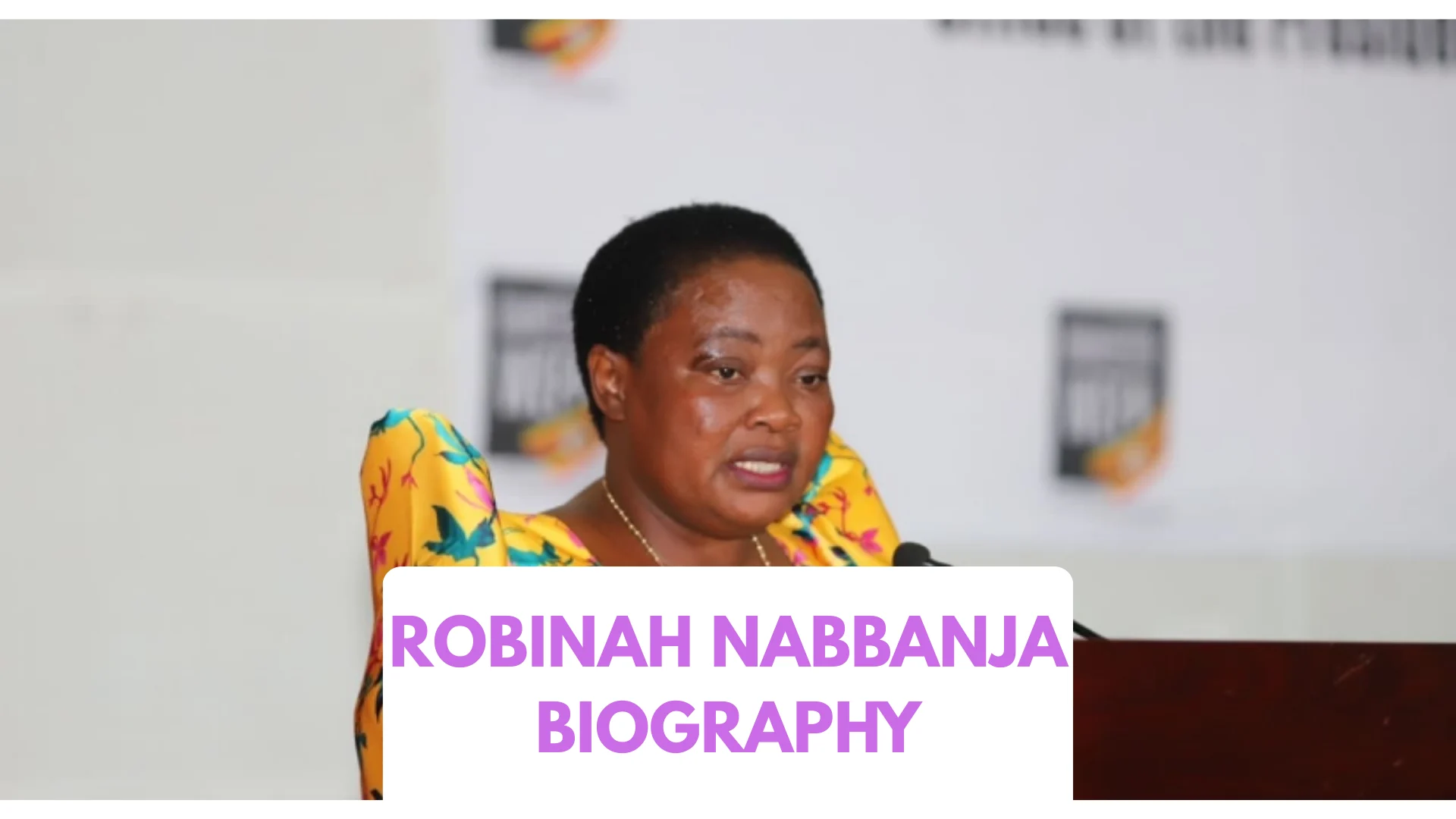
GlenRobinah Nabbanja’s rise from a teacher in rural Uganda to the country’s first female Prime Minister is a story of steady public service, grassroots politics and quiet determination.
Appointed by President Yoweri Museveni in June 2021, Nabbanja became the 11th person to hold Uganda’s premiership and the first woman in that office since independence.
Data
- Full Name: Robinah Nabbanja
- Born: 17 December 1969
- Age: 56 (as of 2025)
- Birthplace: Kamusenene village, Nkooko Sub-County, (present-day) Kakumiro District, Bunyoro region, Uganda
- Nationality: Ugandan
- Occupation: Educator, Politician; current Prime Minister of Uganda
- Parents: John Kayiira (father), Nzeremeri Nakato (mother)
- Siblings: She is from a family of eleven children; she is reportedly the 7th child.
- Spouse: Hassan Musafiri — married in 1990.
- Children: Two daughters.
- Net Worth: Some online sources estimate her net worth at around USD 908,000 (2025 estimate) — though such figures are not officially verified.
Early life and background
Robinah Nabbanja was born on 17 December 1969 in what was then Mubende District and is now part of Kakumiro District in the Bunyoro sub-region of Western Uganda. She grew up in Kamusenene village, Nkooko Sub-County, in a family that valued hard work and community. Her upbringing in a rural setting shaped her later commitments to grassroots development and health services.
She is reported to be one of many children in her family and was raised by parents who worked in farming and tailoring — humble beginnings that helped form her understanding of rural Ugandan life.
Education
Nabbanja completed her Ordinary and Advanced level schooling at local institutions and pursued teacher training — beginning her professional life as an educator. She later acquired diplomas and certificates in leadership, management and development studies and earned a bachelor’s degree in Democracy and Development Studies from Uganda Martyrs University (or similar accredited institutions cited in profiles). Her educational path combined formal schooling with targeted leadership training, preparing her for roles in public service and politics.
Early career — from teacher to local leader
Robinah Nabbanja started her working life as a teacher, which is a common route into community leadership in Uganda. She later entered local government and served in various grassroots roles, including as a local councilor and leader in community initiatives. Her service at the local level provided a base for her political credibility and helped her build a constituency that would later elect her to Parliament.
Political career and parliamentary service
Nabbanja joined the National Resistance Movement (NRM), Uganda’s ruling party, and contested for public office. She was elected as the District Woman Representative for Kakumiro District, serving in Parliament and representing the interests of her constituents. Her parliamentary work focused on health, education and rural development — sectors that matched her background as a teacher and community leader.
Her profile rose nationally when she was appointed Minister of State for Health (General Duties) on 14 December 2019, a role in which she became involved in public health administration and policy implementation. This appointment placed her at the center of Uganda’s health response during a period that included pandemic-related challenges.
Becoming Prime Minister — historic appointment
On 8 June 2021, President Yoweri Museveni nominated Robinah Nabbanja as Prime Minister and Leader of Government Business in Parliament, and she was formally confirmed by Parliament on 21 June 2021, becoming Uganda’s first female Prime Minister. Her accession to the post marked a historic milestone in Uganda’s political history.
As Prime Minister, Nabbanja chairs Cabinet meetings and coordinates government business in Parliament — roles that require strong organizational skills, political acumen and the ability to manage cross-ministerial priorities. While the President remains the effective head of government, the Prime Minister’s office is key to day-to-day coordination of cabinet work and implementation of government programs.
Leadership style and priorities
Observers describe Nabbanja’s leadership style as pragmatic and grassroots-oriented. Her background in education and health shaped priorities that include improving access to basic social services, strengthening public health systems and ensuring effective government delivery at district and community levels. Her public addresses often emphasize service delivery, accountability and mobilizing ministries to be present and responsive.
Personal life
Public records and profiles note that Robinah Nabbanja is married (reports commonly give the name Hassan Musafiri) and is a mother. She balances family life with long hours in public service — a reality for many senior politicians. Her personal story is often used in media to highlight a narrative of perseverance and service to community.
Notable achievements & milestones
- First female Prime Minister of Uganda — a symbolic and practical milestone for gender representation in Ugandan politics.
- Minister of State for Health — contributed to health-sector coordination and policies during a critical period.
- Longstanding grassroots service — moved from teacher and local councillor to national leadership, demonstrating a pathway from local to national influence.Challenges and criticisms
Like many public officials, Nabbanja faces scrutiny over policy outcomes and implementation challenges, particularly in sectors like health and service delivery where public expectations are high. As Prime Minister, she must coordinate a broad set of ministries and manage competing priorities while responding to budgetary and logistical constraints typical of many developing economies.
Impact and legacy (so far)
Robinah Nabbanja’s appointment as the first female Prime Minister carries symbolic weight and may inspire more women to seek high political office in Uganda. Her legacy will be judged on measurable improvements in service delivery, parliamentary leadership and concrete projects that benefit ordinary Ugandans at district and village level.
FAQs
When was Robinah Nabbanja born?
She was born on 17 December 1969.
When did she become Prime Minister of Uganda?
She was nominated on 8 June 2021 and confirmed by Parliament on 21 June 2021.
What was her job before becoming Prime Minister?
She served as Minister of State for Health (General Duties) and previously as Member of Parliament for Kakumiro District’s Woman Representative.
Is Robinah Nabbanja the first woman to be Uganda’s Prime Minister?
Yes — she is the first female to occupy the office since Uganda’s independence in 1962.
What are her main priorities as Prime Minister?
Her stated priorities include improving government service delivery, strengthening health and education systems, and ensuring ministries are accountable and present in districts.
Conclusion
Robinah Nabbanja’s rise is emblematic of the long arc from local service to national leadership. Her appointment as Uganda’s first female Prime Minister broke a major glass ceiling and placed her in a role where coordination, management and a focus on service delivery will define her tenure. Whether judged by symbolic milestones or by concrete policy outcomes, her story reinforces how community-rooted public servants can ascend to national prominence — and illustrates the continuing evolution of political leadership in Uganda.

 Glen
Glen