Glen
Glen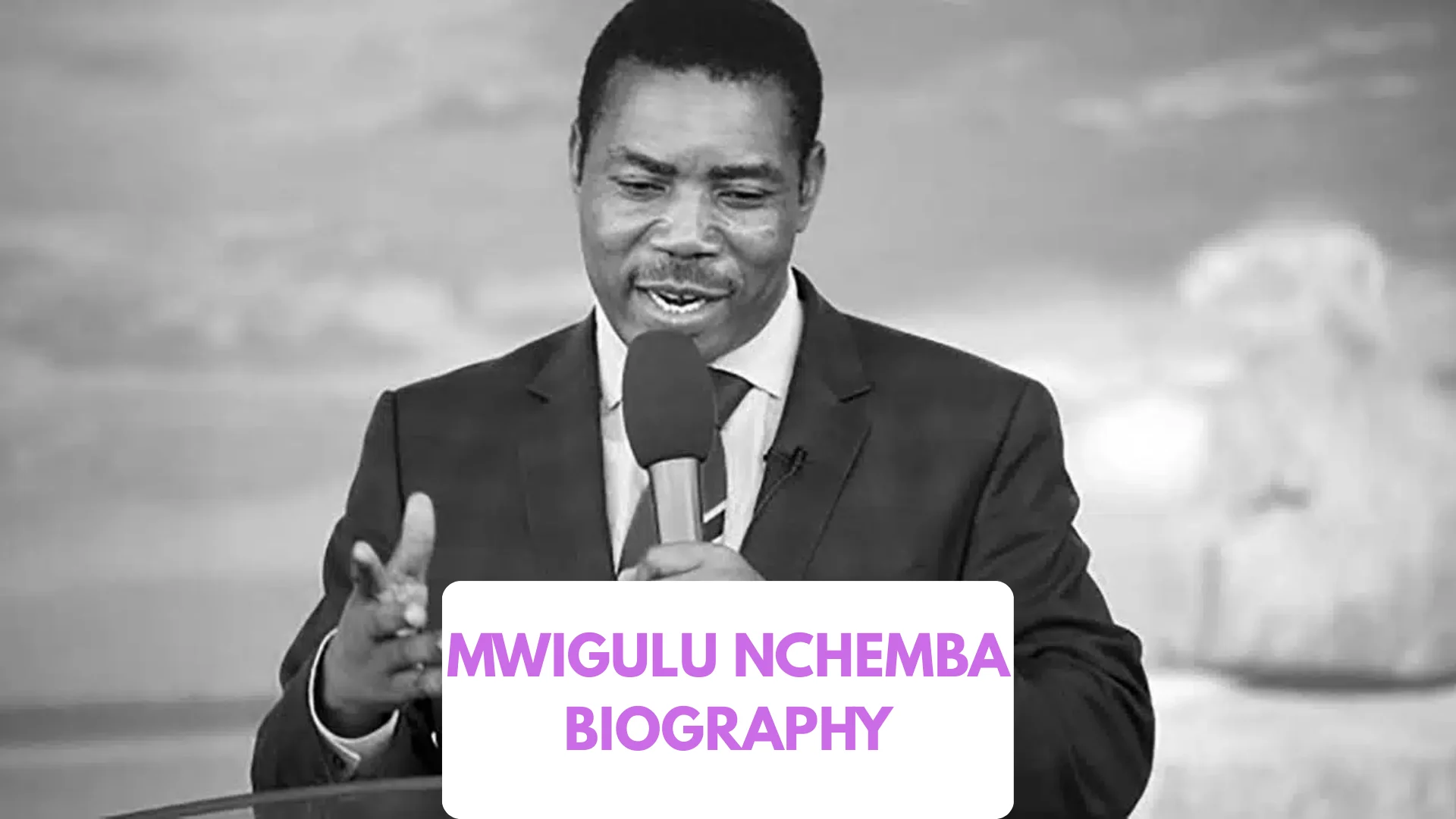
Mwigulu Lameck Nchemba is one of Tanzania’s best-known technocrats-turned-politicians. An economist by training and a long-serving member of the ruling CCM party, Nchemba has held several cabinet roles and represented Iramba West in Parliament since 2010. In recent years he moved from influential ministerial roles into national leadership. This biography unpacks his early life, education, public service career, achievements and controversies, and what his rise means for Tanzania.
Data
- Full Name: Mwigulu Lameck Nchemba
- Born: 7 January 1975
- Age: 50 (as of 2025)
- Birthplace: Makunda, Iramba District, Singida Region, Tanzania
- Nationality: Tanzanian
- Occupation: Economist and Politician — currently Prime Minister of Tanzania (as of November 2025)
- Alma Mater / Education: PhD in Economics, Master’s in Economics, and Bachelor’s in Economics — all from University of Dar es Salaam.
- Spouse: According to one publicly available (unofficial) source, listed as “Neema Mwigulu.”
- Net Worth (estimated): ~ US$ 4.4 million
Early life and education
Mwigulu Lameck Nchemba was born on 7 January 1975 in Makunda village, Iramba District, in Tanzania’s Singida Region. He attended local primary and secondary schools before enrolling at the University of Dar es Salaam, where he completed a Bachelor’s degree in Economics and later advanced degrees in economics, culminating in a PhD. His academic grounding in economics shaped his career first as an economist at the Bank of Tanzania and later in government.
Early career: from central bank economist to politics
Nchemba’s early professional work was in macroeconomic and financial roles at the Bank of Tanzania. That experience gave him technical credibility and a deep understanding of monetary and fiscal systems — skills that later proved valuable when he moved into political and ministerial posts. His transition from technocrat to elected official began when he ran for and won the Iramba West parliamentary seat in the 2010 general election.
Parliamentary career and cabinet appointments
Elected in 2010, Nchemba steadily rose through the CCM ranks and was entrusted with a string of ministerial assignments:
- Minister of Agriculture, Livestock and Fisheries (2015–2016) — early cabinet role after the 2015 elections.
- Minister of Home Affairs (2016–2018) — handled internal security and policing, a high-profile and sometimes challenging docket.
- Minister of Justice and Constitutional Affairs (2020–2021) — returned to cabinet duties after a brief period out of top posts.
His ministerial path showcased versatility: agriculture and security, then law — an unusual combination but one that demonstrated the government’s trust in his administrative capacity.
Finance Minister: steering the national purse (2021–2025)
On 31 March 2021 Mwigulu Nchemba was appointed Minister of Finance and Planning — one of the most consequential positions in government — following a cabinet reshuffle that elevated his predecessor. As finance minister he was responsible for fiscal policy, budgeting, and public finances during a period that included post-pandemic recovery and efforts to strengthen domestic revenue mobilisation. His tenure emphasized fiscal discipline, efforts to broaden the tax base, and coordination with development partners and multilateral institutions.
Key themes of his finance stewardship
- Emphasis on domestic revenue to reduce financing gaps.
- Austerity and prioritization of essential capital projects.
- Engagement with international financial institutions as Tanzania navigated global economic challenges.
Appointment as Prime Minister (November 2025)
In November 2025, following a general election and subsequent cabinet realignments, President Samia Suluhu Hassan nominated Mwigulu Nchemba as Prime Minister — a role that elevates him to the centre of government coordination and parliamentary business. The nomination reflected both his technocratic credentials and political standing within CCM. Parliament approved the nomination, making him one of the country’s leading political figures.
Political style and public perception
Nchemba is widely described as a disciplined technocrat with academic depth. Supporters praise his attention to fiscal detail and steady management, while critics at times raise concerns about policy choices or the performance of ministries under his stewardship. Overall, his reputation has been that of a pragmatic policymaker who blends technical expertise with political acumen.
Major achievements and initiatives
- Strengthened fiscal frameworks: While finance ministers operate within political constraints, Nchemba pushed for measures to increase tax collection and curtail unnecessary recurrent spending.
- Public administration continuity: Across multiple reshuffles he retained high-profile roles, signalling continuity in governance and administrative competency.
Controversies and criticisms
Like many long-serving politicians, Nchemba has faced criticism. During his tenure in various ministries, questions were sometimes raised about implementation, handling of particular events (for instance while Home Affairs minister) and the broader performance of the ministries he led. However, no major corruption allegation has defined his public profile; his career is better known for technocratic competence than scandal.
Personal life
Publicly available details note that Nchemba maintains a low-key private life compared to his public persona. He is from Iramba in Singida Region and keeps strong ties to his constituency — a political base that has supported him through successive elections. He is also active in national policy forums and international finance gatherings in his ministerial capacity.
FAQs
When and where was Mwigulu Nchemba born?
He was born on 7 January 1975 in Makunda, Iramba District, Singida Region of Tanzania.
What is his educational background?
Nchemba trained as an economist at the University of Dar es Salaam, where he completed advanced studies including a PhD in Economics.
What positions has he held in government?
He has served as MP for Iramba West (since 2010), minister of Agriculture, Home Affairs, Justice and Constitutional Affairs, Minister of Finance and Planning (from March 2021), and was nominated Prime Minister in November 2025.
What are his main policy priorities?
As finance minister, his priorities included fiscal discipline, increasing domestic revenue, sustainable public finance, and post-pandemic economic recovery. As Prime Minister, his role expands to policy coordination and parliamentary leadership.
Has he been involved in any scandals?
While he has faced criticism over performance in certain posts, there are no widely reported major corruption scandals attached to his name in mainstream international reporting.
Conclusion
Mwigulu Nchemba’s journey from an economist at the central bank to Tanzania’s cabinet and, more recently, the prime ministership, illustrates a career built on technical expertise and political steadiness. Whether steering the country’s finances or coordinating government business as Prime Minister, his influence on Tanzania’s policy direction is significant. Observers inside and outside Tanzania will be watching closely to see how his technocratic approach adapts to the broader political demands of national leadership.

 Glen
Glen