 Glen
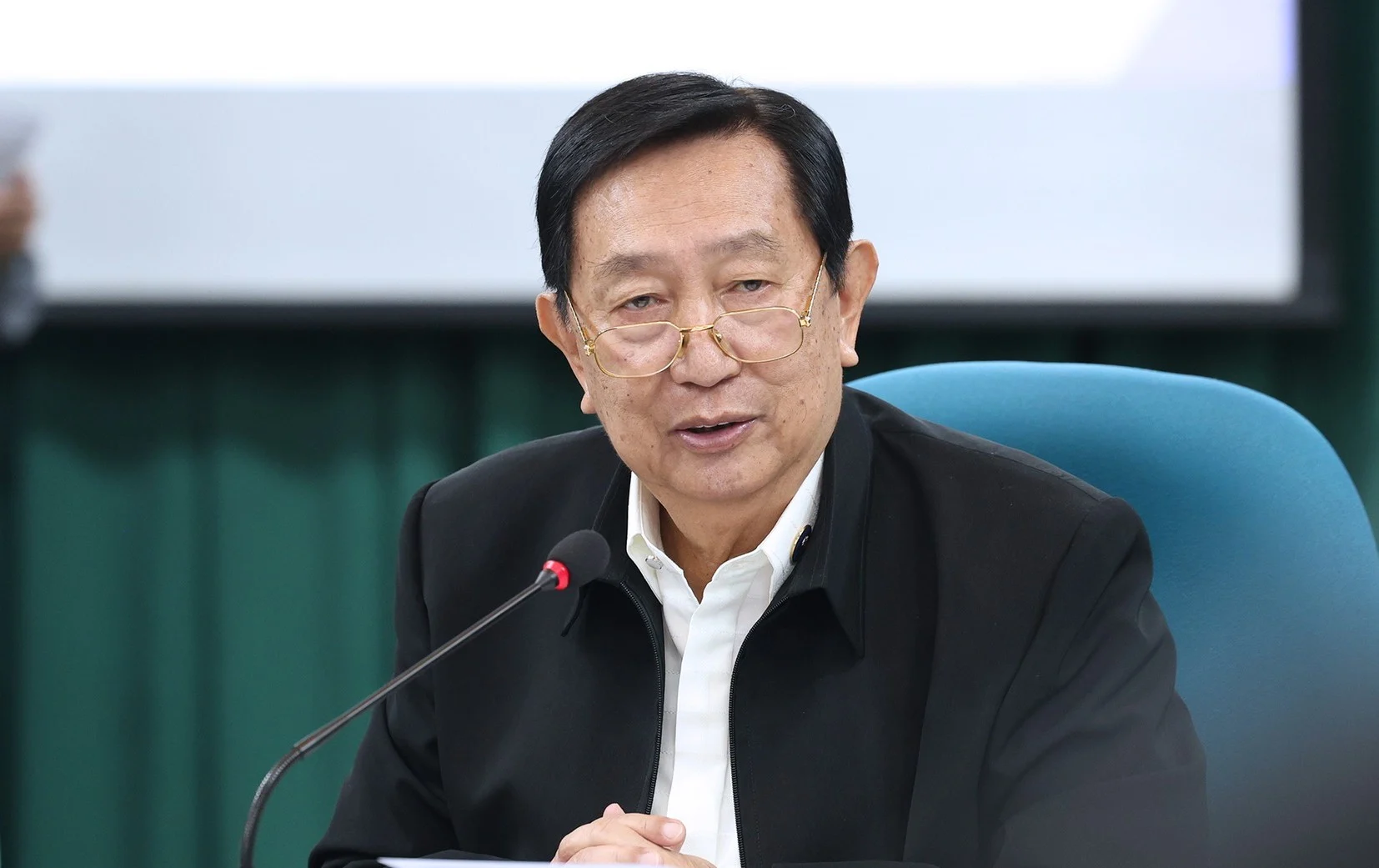
GlenRomeo “Jonjon” Macapagal Acop is a well-known Filipino public servant whose career spans law enforcement and national politics. Widely respected for his background in the Philippine National Police (PNP) and his transition into legislative work, Romeo Acop has built a reputation as a disciplined leader, reform advocate, and committed public official. His life story reflects a blend of professional policing experience and political service, making him one of the notable figures in contemporary Philippine governance.
Early Life and Background
Romeo Acop was born in the Philippines into a family that valued discipline, public service, and education. Growing up, he was exposed to values of responsibility and leadership, which later shaped his career choices. From a young age, Acop showed interest in serving his country, particularly in the areas of peace, order, and national security.
His upbringing played a crucial role in forming his strong moral compass. Friends and colleagues often describe him as principled, firm, and committed to fairness—qualities that later became central to his professional life.
Educational Background
Romeo Acop pursued higher education with a strong focus on leadership and public service. He is a graduate of the prestigious Philippine Military Academy (PMA), an institution known for producing some of the country’s top military and police leaders. His time at PMA trained him in discipline, strategic thinking, and leadership under pressure.
In addition to his military education, Acop continued to develop his academic credentials through various professional training programs, seminars, and leadership courses related to law enforcement, security, and governance. His educational foundation provided him with both theoretical knowledge and practical skills.
Career in the Philippine National Police
Before entering politics, Romeo Acop built a distinguished career in the Philippine National Police. Over the years, he held several key positions that allowed him to influence police operations, training, and reforms. His work in the PNP earned him respect as a professional officer dedicated to maintaining peace and order.
One of his most notable roles was serving as the Chief of the Criminal Investigation and Detection Group (CIDG). In this position, Acop oversaw high-profile investigations and anti-crime operations. His leadership was marked by a strong stance against corruption, organized crime, and criminal syndicates.
Throughout his police career, Acop emphasized discipline, accountability, and professionalism. His experience on the ground gave him firsthand knowledge of the country’s security challenges, which later informed his legislative priorities.
Transition into Politics
Romeo Acop’s move from law enforcement to politics was driven by his desire to influence policy and institutional reforms on a broader scale. Believing that sustainable change required strong laws and oversight, he entered the political arena to serve as a legislator.
He was elected as a member of the House of Representatives, representing the 2nd District of Antipolo City. As a congressman, Acop brought his law enforcement expertise into legislative discussions, particularly on matters related to public safety, justice, and national security.
Legislative Work and Achievements
As a lawmaker, Romeo Acop focused on crafting and supporting legislation that addressed crime prevention, police welfare, and institutional reforms. He became known for actively participating in congressional hearings and committee work, especially those related to public order and safety.
Some of his key legislative interests include:
-
Strengthening law enforcement institutions
-
Improving police welfare and benefits
-
Enhancing crime prevention strategies
-
Supporting national security and anti-terrorism measures
Acop’s background allowed him to provide practical insights during debates, making him a valuable voice in the House of Representatives. His colleagues often recognized him as a legislator who combined experience with a results-oriented mindset.
Leadership Style and Public Image
Romeo Acop is widely perceived as a no-nonsense leader who values discipline and accountability. His leadership style reflects his police background—structured, firm, and guided by rules. Supporters admire his integrity and consistency, while critics sometimes view his approach as overly strict.
Despite differing opinions, Acop has maintained a relatively strong public image as a professional public servant. His ability to transition from uniformed service to politics demonstrates adaptability and commitment to national service.
Controversies and Criticisms
Like many public figures, Romeo Acop has faced controversies and criticisms throughout his career. Some of these stemmed from his firm positions on law enforcement policies and security measures. Critics have occasionally questioned certain police operations or legislative stances he supported.
However, Acop has consistently defended his actions by emphasizing legality, public safety, and institutional discipline. While controversies are part of public life, they have not significantly overshadowed his career achievements.
Personal Life
Despite his public profile, Romeo Acop tends to keep his personal life relatively private. He is known to value family and personal discipline, maintaining a balanced life amid demanding professional responsibilities. His personal values often align with his public advocacy for order, responsibility, and service.
Legacy and Impact
Romeo Acop’s legacy lies in his dual contribution to law enforcement and legislation. His career represents a bridge between operational experience and policymaking. By bringing real-world insights into Congress, he has influenced discussions on security, justice, and governance.
For aspiring public servants, Acop’s journey serves as an example of how professional expertise can translate into effective political leadership. His work continues to shape conversations on crime prevention and institutional reform in the Philippines.
Frequently Asked Questions (FAQs)
Who is Romeo Acop?
Romeo Acop is a Filipino politician and former police general who served in the Philippine National Police and later became a member of the House of Representatives.
What is Romeo Acop known for?
He is known for his leadership in law enforcement, particularly as a former CIDG chief, and for his legislative work on public safety and security.
What district did Romeo Acop represent?
He represented the 2nd District of Antipolo City in the Philippine House of Representatives.
What is Romeo Acop’s educational background?
He is a graduate of the Philippine Military Academy and has undergone extensive professional training in law enforcement and leadership.
Is Romeo Acop still active in politics?
Romeo Acop remains a recognized figure in Philippine public service, known for his contributions to governance and security.
Conclusion
The biography of Romeo Acop highlights a life dedicated to public service, discipline, and reform. From his early years and education at the Philippine Military Academy to his distinguished police career and eventual role as a legislator, Acop has consistently focused on serving the nation. His story reflects the importance of experience-driven leadership in politics and governance. As the Philippines continues to face complex security and governance challenges, figures like Romeo Acop remain relevant in shaping the country’s future.


 Glen
Glen