 Glen
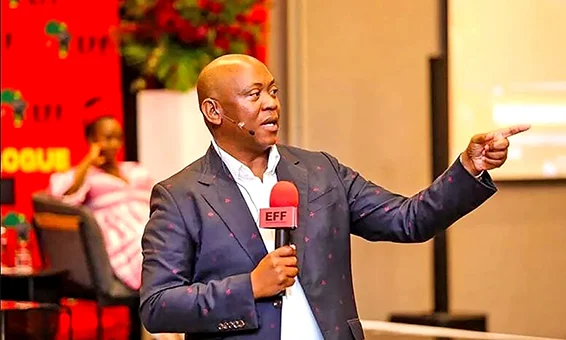
GlenPastor Victor Mwangi Kanyari, better known simply as Pastor Kanyari or Bishop Mwangi, is one of Kenya’s most controversial and talked-about religious figures.
Over the years, his life story has become synonymous with both prosperity gospel success and public scandal. This in-depth biography explores his early life, ministry, controversies, personal losses, and how he has reinvented himself in the face of massive criticism.
Early Life and Background
Victor Kanyari was born in March 1983 in Loitoktok, Kajiado County, Kenya. While not a lot is publicly documented about his childhood, Kanyari grew up with limited means and once admitted that poverty played a major role in shaping his early ministry decisions. Before becoming a preacher, he worked manual jobs, including loading construction stones, a job that Kanyari later referred to when discussing his “come from nothing” story.
Rise to Ministry & “Mbegu ya 310” Era
Kanyari began preaching in his mid- to late-twenties, eventually founding the Salvation Healing Ministry in Nairobi. However, his breakthrough—and infamy—came with the so-called “Mbegu ya 310” campaign.
- He asked followers to send KSh 310 as a “seed offering” in exchange for spiritual breakthrough.
- In a dramatic confession, he later said he was driven by desperation and poverty, not a pure spiritual calling.
- At the height of this era, he claimed to have made KSh 700,000–1 million daily from the scheme.
- The controversy escalated when media investigations alleged that some miracles were staged and that Kanyari duped followers.
Major Controversies & Criticisms
Fake Miracles Exposé
One particularly damaging set of allegations came from Bungoma Goliath, who claimed he was paid KSh 8,000 to fake a “falling miracle” during Kanyari’s service. Kanyari responded, saying he actually gave Goliath KSh 40,000 for rent and other needs—not to fake any miracle.
Public Confession & Regret
In later interviews, Kanyari admitted that the 310-shilling campaign was exploitative, and expressed deep regret for how things played out. He described that time as the lowest in his life—not only financially difficult but also emotionally, as he lost close ties with his family.
Personal Tragedies
- Family Fallout: After the scandal, Kanyari said his family abandoned him.
- Sister’s Murder: In 2024, his sister Starlet Wahu was tragically murdered in Nairobi. Kanyari broke his silence afterward, calling it a heartbreaking loss.
Social Media & TikTok
Kanyari embraced TikTok Live, combining preaching with fundraising. He revealed earning over KSh 400,000 on the platform and pledged to give the money to a children’s home. Yet, paradoxically, he discouraged his own congregants from using TikTok, calling it a place for “crazy people.”
Giving Back & Community Engagement
Despite controversies, Kanyari has maintained a devoted base of congregants.
- He gave out bundles of wheat flour to his church members during Christmas, emphasizing the familial nature of his church.
- He constantly stresses that his ministry is about family, not just transactions.
Personal Growth & Reinvention
Kanyari often refers to his past as a lesson and a springboard for change.
- He has rebranded himself as Bishop Mwangi, claiming it’s another aspect of his identity.
- He admits that his biggest regret is exploiting people through the 310-offering scheme, and he has publicly asked for forgiveness.
- In interviews, he frames his comeback as being more authentic, focused more on “healing people from diseases” than accumulating wealth.
Financial & Ministry Status Today
- Kanyari claims to have built wealth post-scandal, owning cars and property, fueled partly by his social media engagements.
- His church, Salvation Healing Ministry, continues to operate and attract followers.
- His TikTok live sessions remain a major channel for both ministry and financial support.
FAQs (Frequently Asked Questions)
Who is Pastor Kanyari?
Pastor Victor Mwangi Kanyari is the founder and senior pastor of Salvation Healing Ministry in Kenya, known for his flamboyant style, prosperity preaching, and controversial fundraising schemes.
What was the “Mbegu ya 310” scandal?
It refers to his request for followers to send KSh 310, which he claimed was a “seed offering” for miracles. The campaign was widely criticized as exploitative.
Did Kanyari admit deception?
Yes. He later confessed that the 310 scheme was driven by poverty, not purely spiritual motives.
How did he respond to the fake miracles accusation?
He denied paying for fake miracles, but claimed to have given money (e.g., KSh 40,000) to some individuals like Bungoma Goliath for non-miraculous support.
Has he had personal losses?
Yes. His sister, Starlet Wahu, was murdered in 2024. He also said his family abandoned him after the 310 scandal.
Does he still preach?
Yes. He continues preaching and uses modern platforms like TikTok Live to engage his audience and fund his ministry.
How much money does he make on TikTok?
He revealed earning over KSh 400,000 from TikTok gifts, which he claims he donates to charity.
Conclusion
Pastor Victor Kanyari’s life is a paradox of faith, controversy, downfall, and rebirth. From humble beginnings and financial struggle, he built a ministry that garnered both devoted followers and intense scrutiny. The “Mbegu ya 310” scandal exposed the murkier side of his fundraising methods, but also humanized him: he admitted to being driven by desperation. With personal trauma—like the loss of his sister—and public criticism, many would have expected his ministry to fade. Yet, Kanyari reinvented himself, embraced social media, and framed his failures as a cautionary tale and a spiritual rebirth.
Whether one views him as a flawed prophet, a shrewd businessman, or a genuine man of faith, there’s no denying that Kanyari’s story is deeply compelling. His journey underscores larger themes in modern religion in Kenya: prosperity gospel, the fusion of media and ministry, and the tension between spirituality and commerce.


 Glen
Glen