Glen
Glen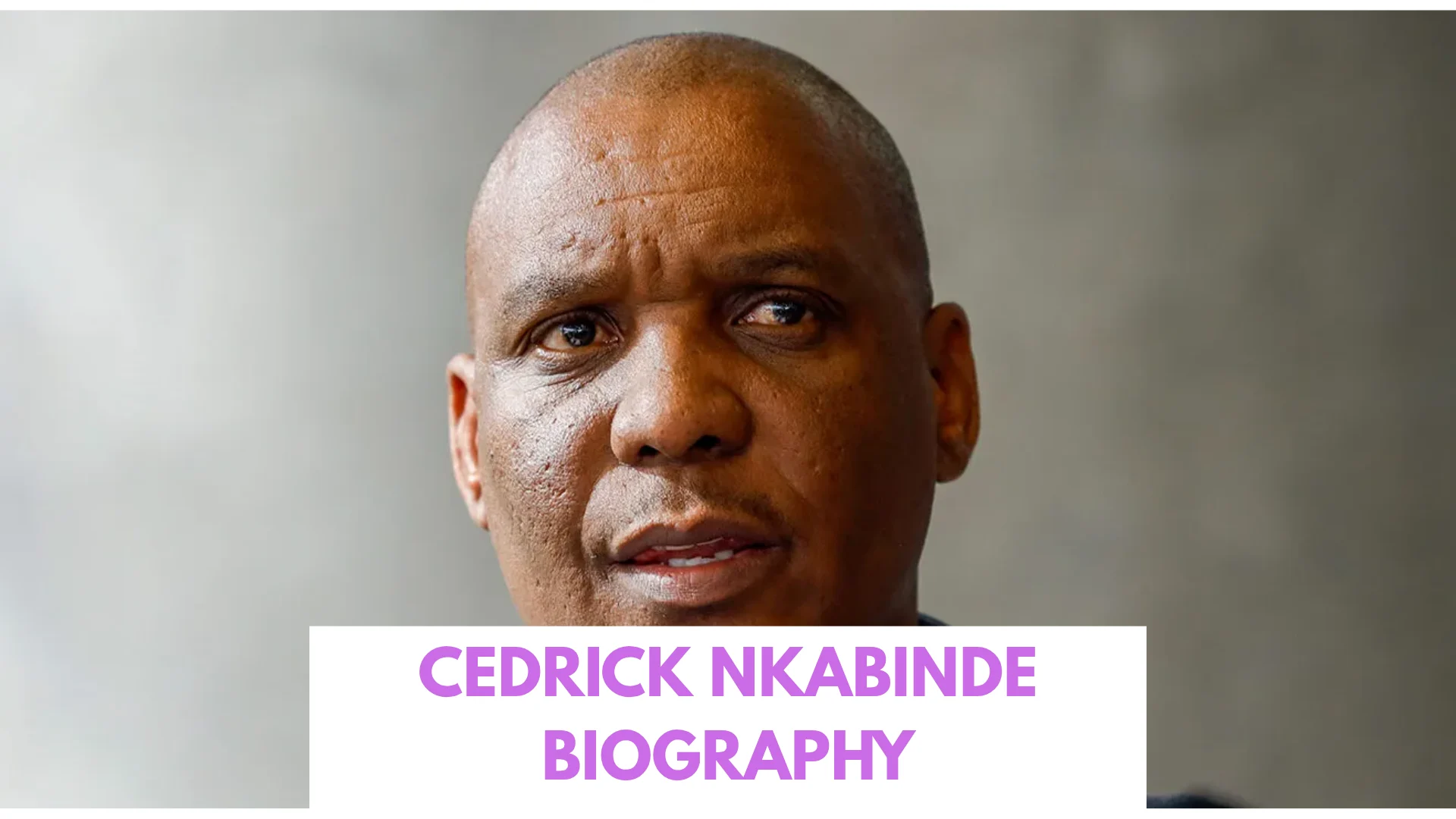
Cedrick Nkabinde is a South African former police investigator who rose to become Chief of Staff in the Police Ministry under Minister Senzo Mchunu.
His appointment, career background and recent testimony before Parliament have placed him at the centre of controversy and media scrutiny.
This deep-dive biography covers his background, career milestones, recent newsworthy events, and answers frequently asked questions.
Data
- Full Name: Cedrick Nkabinde
- Born: 2 September 1969
- Age: ~ 56 (as of 2025)
- Nationality: South African
- Occupation: Chief of Staff to South Africa’s Police Minister; former police / IPID investigator.
- Education / Qualifications: Holds a BTech in Policing, which he describes as equivalent to a university degree.
Early life and education (what we know)
Information about Cedrick Nkabinde’s childhood and family is limited in public sources. Media profiles and biographical summaries describe him as originating from KwaZulu-Natal and having formal policing qualifications—a national diploma in policing and a BTech in policing (reported as equivalent to a university-level qualification). These educational details are reported in recent biographical roundups.
Career — policing, investigations, oversight
Nkabinde’s public profile rose through roles tied to policing and police oversight. Several news reports trace his professional path from a policing background and investigative work to roles in oversight bodies and short spells in the private sector. That mix of operational policing and oversight experience is cited by commentators as a factor in his later political appointment.
He is reported to have worked within the Independent Police Investigative Directorate (IPID) and later occupied positions that connected him with senior political figures — relationships that helped pave the way to his appointment in the Police Ministry.
Appointment as Chief of Staff to the Police Minister
In August 2024, when Senzo Mchunu was named Police Minister, Cedrick Nkabinde was appointed Chief of Staff in the Police Ministry. Media outlets reported that Mchunu cited Nkabinde’s policing background and prior oversight experience as reasons for the appointment. This role placed Nkabinde at the administrative and political centre of the ministry.
Controversies and high-profile public scrutiny
Following his appointment, Nkabinde became a figure in national news due to several high-profile events:
- Parliamentary testimony and ad-hoc committee appearances: In late 2025, Nkabinde appeared before Parliament’s ad hoc committee investigating allegations of corruption and political interference in the criminal justice system. His testimony, and the committee’s questioning, were widely covered by national outlets. During his appearances he stated that his role was to facilitate ministerial directives, not to make decisions on operational matters—an explanation that itself generated intense scrutiny.
- Allegations and counter-claims: Media coverage records Nkabinde making allegations against other figures in policing and naming individuals he said wielded influence over parts of the justice cluster. He also faced accusations from opposition parties and critics — including claims that his statements could constitute perjury — which added legal and political friction to the public debate.
- PKTT and Brown Mogotsi contacts: He testified about his role in facilitating actions related to the Political Task Team (PKTT) and clarified when he first became aware of businessman Brown Mogotsi, matters that drew significant attention during the committee hearings.
These controversies have kept Nkabinde in the headlines and made his career a focal point for discussions about police oversight, political appointments, and influence within South Africa’s justice cluster.
Public image and media treatment
News outlets paint a mixed picture: some articles highlight his qualifications and experience to justify his appointment; others emphasise the controversies surrounding his actions and testimony. Independent investigations and parliamentary transcripts are the main public sources for the most consequential claims and counterclaims.
Known qualifications and public records
Sources report Nkabinde holds policing qualifications (national diploma and BTech in policing) and has been associated with the University of South Africa in research or academic records in limited contexts. Public records on exact degrees and dates remain sparse and are typically reported by local news outlets summarising his stated credentials.
What the parliamentary hearings revealed (high-level)
During testimony before the ad hoc committee, Nkabinde:
- Said he facilitated ministerial directives and was not the decision-maker behind operational choices described in the PKTT matter.
- Explained the timeline of his contacts with Brown Mogotsi and other stakeholders when questioned by MPs.
- Made claims that implicated private investigators and alleged undue influence within parts of the policing and justice network. Those claims were reported and followed up by other news organisations.
Parliamentary exchanges were often heated, and the session produced calls for further investigations by some MPs and political parties.
Where things stand now (as reported)
As of the most recent reporting in late 2025, Nkabinde remained a central witness in ongoing parliamentary probes and in the crossfire of media, political opponents, and inquiries into policing conduct. The long-term legal and political consequences of the hearings were still unfolding in the press cycle. Readers should consult primary parliamentary records and major national outlets for progress updates.
FAQs — Frequently Asked Questions
Q: Who is Cedrick Nkabinde?
A: Cedrick Nkabinde is a South African former police investigator who was appointed Chief of Staff in the Police Ministry under Minister Senzo Mchunu. He previously worked in policing and oversight roles.
Q: What qualifications does he have?
A: Media reports say Nkabinde holds a national diploma in policing and a BTech in policing which he describes as equivalent to a university-level qualification. These details come from biographical summaries published in news outlets.
Q: Why has he been in the news?
A: He’s been in the headlines because of his role as Chief of Staff, parliamentary testimony in ad hoc investigations into alleged corruption and interference in the justice system, and subsequent allegations and calls for further probes.
Q: Has he been accused of wrongdoing?
A: He has faced public accusations and calls for accountability — including headlines mentioning perjury allegations lodged by critics — but readers should consult the latest legal records and parliamentary findings for final determinations.
Q: Where can I find official records of his testimony?
A: The ad hoc committee’s live sessions, parliamentary minutes, and major national news organisations (IOL, SABC, TimesLive, Sowetan) have published coverage and recordings of the hearings. These primary sources are the best references for verbatim testimony.
Conclusion
Cedrick Nkabinde’s trajectory — from policing and oversight roles to becoming Chief of Staff in the Police Ministry — illustrates how operational experience can translate into politically powerful positions. But his career in government has not been free from controversy: parliamentary testimony and media scrutiny have placed him at the centre of national discussions about political influence, policing oversight, and accountability. Because reporting is ongoing, readers should follow reputable national outlets and official parliamentary releases to track developments.

 Glen
Glen