Glen
Glen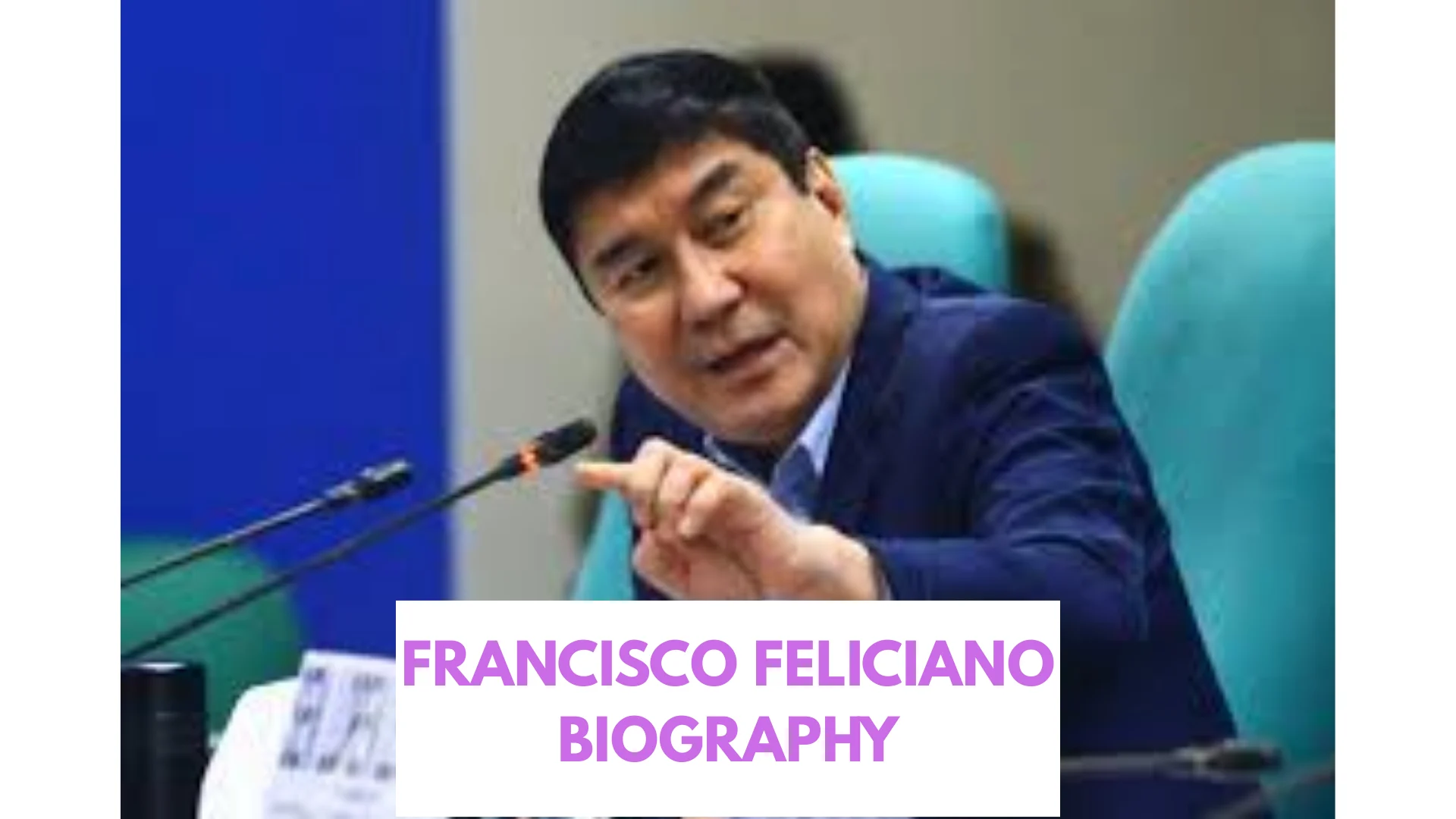
Francisco Francisco Feliciano (19 February 1941 – 19 September 2014) is remembered as one of the Philippines’ most important composers and conductors, a leading figure in contemporary Filipino classical and liturgical music.
His career spanned composition, conducting, teaching, and institution-building — and in 2014 he was conferred the Philippines’ highest artistic honor, National Artist for Music.
Data
- Full Name: Francisco F. Feliciano
- Born: February 19, 1941
- Death: September 19, 2014
- Birthplace: Morong, Rizal, Philippines
- Nationality: Filipino
- Occupation: Composer, Conductor, Educator, National Artist of the Philippines
Early life and education
Born in Morong, Rizal on 19 February 1941, Feliciano developed a deep lifelong connection to music that led him into rigorous formal training. He completed a Teacher’s Diploma in Music and a Master’s in Music (Composition) at the University of the Philippines College of Music. Later he pursued advanced studies in Europe and the United States, studying composition and conducting at institutions including the Hochschule der Künste (Berlin) and Yale School of Music, where he earned both a Master of Musical Arts and a Doctor of Musical Arts (Composition). His teachers included notable figures in contemporary music and conducting.
Career highlights
Feliciano’s output was vast and varied. He wrote more than thirty major works — operas, musical dramas, ballets, orchestral pieces, and a large body of choral and liturgical music — many of which fused contemporary techniques with Filipino musical elements and liturgical traditions.
Notable works include the opera La Loba Negra, the liturgical Mass of Saint Andrew, choral favorites such as Pokpok Alimpako, the ballet Yerma, and larger works like Transfiguration and Missa Mysterium. His pieces were performed at international choral festivals and contemporary music venues, and several won prizes and international recognition.
As a conductor, Feliciano worked with prominent ensembles and orchestras in the Philippines and abroad, and for some time he served in leadership roles including conducting the Philippine Philharmonic Orchestra and founding educational initiatives. He also established the Sambalikhaan Foundation, an institution devoted to Asian worship music, composition, and the promotion of liturgical arts in the region.
Style and influence
Feliciano married modern compositional techniques with Philippine folk elements and the demands of liturgical music. He was particularly influential in contemporary Filipino choral music and sacred repertoire, helping shape how Philippine choirs and liturgical communities approached composition and performance. His choral works are still widely sung by choirs in the Philippines and overseas, appreciated for their blend of accessible melodic writing and more adventurous contemporary textures.
Awards and recognition
A major honor in Feliciano’s later life came in 2014, when he was named National Artist for Music — the highest recognition the Philippine government awards to artists who have made significant contributions to the cultural life of the nation. Earlier in his career he received prizes and awards for composition, including international recognition such as the John D. Rockefeller III Award in Music Composition.
Teaching and mentorship
Beyond composing and conducting, Feliciano was a respected educator. He taught at institutions such as the University of the Philippines College of Music and mentored generations of Filipino composers, conductors, and singers. His work as an educator reinforced his influence: through teaching, programming, and institution-building he helped create platforms for contemporary Filipino music to thrive.
Later years and death
Francisco Feliciano continued to compose and promote music up until his final years. He died on 19 September 2014 in Manila after a battle with cancer. At the time of his death he had recently been named a National Artist — a recognition that highlighted his impact on Philippine music and culture. Tributes following his passing emphasized both his sizeable compositional catalog and his service to Philippine musical life.
Selected works (chronological highlights)
- Mass of Saint Andrew (published 1981).
- La Loba Negra (opera).
- Pokpok Alimpako (choral piece).
- Transfiguration and Missa Mysterium (large choral-orchestral works).
- Pamugún — choral works performed internationally.
Legacy
Francisco Feliciano’s influence endures in how Filipino choirs and composers approach liturgical and contemporary music. His works remain staples of choral programming; his students and collaborators continue to teach and perform the repertoire he helped establish; and institutions he founded or inspired persist in promoting Asian liturgical music and composition. Being named National Artist cemented his place in Philippine cultural history, and his music remains a bridge between Filipino musical identity and global contemporary practice.
FAQs
When was Francisco Feliciano born and when did he die?
He was born on 19 February 1941 and died on 19 September 2014.
What is Francisco Feliciano best known for?
He is best known as a composer and conductor, especially for choral, liturgical, and operatic works that combine modern composition techniques with Filipino musical influence.
Did he receive any major awards?
Yes — among many honors, he was named National Artist for Music (Philippines) in 2014.
Where did he study music?
He studied at the University of the Philippines, the Hochschule der Künste (Berlin), and the Yale School of Music.
Are his works still performed today?
Yes. Many choirs and ensembles in the Philippines and abroad continue to perform Feliciano’s choral and liturgical pieces.
Where can I find recordings or scores of his works?
Scores and recordings may be found through academic libraries, choral publishers, and university music collections. Search university catalogs and choir program notes for specific pieces.
Conclusion
Francisco Feliciano’s life and work represent a major chapter in Philippine music history. As a composer, conductor, and educator he built a repertoire that married local musical identity with contemporary practice, while as a mentor and institution-builder he helped establish structures that continue to support Filipino choral and liturgical music. His designation as National Artist for Music recognizes both his artistic achievements and the lasting influence he left on Philippine musical life.


 Glen
Glen