Glen
Glen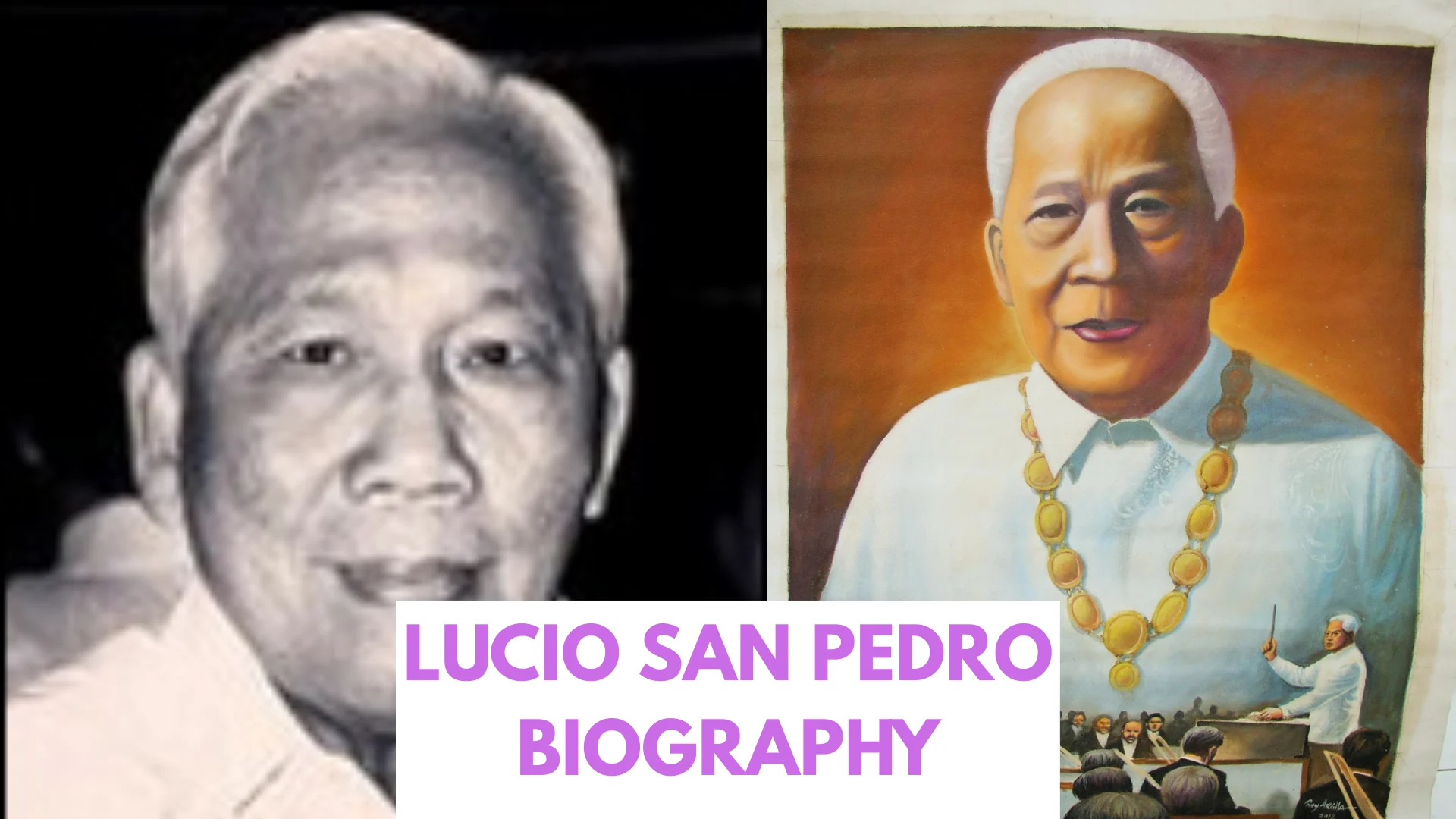
Lucio Diestro San Pedro (February 11, 1913 – March 31, 2002) was a towering figure in Philippine classical music: a composer, conductor, and teacher whose work blended Filipino folk sensibilities with classical forms.
He became a National Artist of the Philippines for Music in 1991 and remains best known for beloved pieces such as the lullaby Sa Ugoy ng Duyan and the symphonic poem Lahing Kayumanggi.
Data
- Full Name: Lucio Diestro San Pedro
- Stage Name: Lucio San Pedro
- Born: February 11, 1913
- Age: 89 (at the time of death)
- Death: March 31, 2002
- Birthplace: Angono, Rizal, Philippines
- Nationality: Filipino
- Occupation: Composer, Conductor, Music Teacher, National Artist
- Religion: Not publicly documented
- Parents: Not widely documented in public records
- Spouse: Gertrudes Díaz
- Children: Five children
- Relationship: Married
Early Life and Musical Roots
Born in Angono, Rizal, Lucio San Pedro grew up in a musically inclined family; his early exposure to music included participating in the family band and eventually serving as church organist in his hometown. These roots in local musical tradition influenced his lifelong interest in “creative nationalism” — taking the spirit of folk material and transforming it into original classical works rather than merely quoting folk tunes verbatim.
Education and Formative Training
San Pedro studied at the University of the Philippines Conservatory of Music (enrolling in the 1930s and completing a Diploma in Composition and Conducting by 1938). He later pursued advanced studies abroad, attending classes at the Juilliard School in 1947 and studying composition and orchestration with prominent teachers such as Bernard Wagenaar and Vittorio Giannini. These studies helped him refine orchestral technique while preserving his commitment to Filipino musical identity.
Career and Teaching
Beyond composing, San Pedro was a dedicated educator. He taught at the University of the Philippines College of Music — later retiring as a full professor and being named professor emeritus — and also lectured at several Manila conservatories and Ateneo de Manila University. His influence as a teacher shaped generations of Filipino musicians and composers.
Major Works & Musical Style
San Pedro’s output spans band music, orchestral works, choral pieces, chamber works, and popular art songs. Key compositions include:
- Sa Ugoy ng Duyan (music by Lucio San Pedro, lyrics by Levi Celerio) — a lullaby that became a national favorite.
- Lahing Kayumanggi — a symphonic poem evocative of Filipino identity and struggle, representing his “creative nationalism.”
- The Devil’s Bridge, Malakas at Maganda Overture, and other orchestral and band works that mix Filipino rhythms, folk fragments, and classical forms.
His compositional philosophy emphasized capturing the essence and mood of Filipino folk material rather than directly quoting entire folk songs. This approach produced music that felt both authentically Filipino and symphonically sophisticated.
Honors and the National Artist Proclamation
On May 9, 1991, Lucio San Pedro was proclaimed a National Artist of the Philippines for Music — one of the country’s highest cultural honors — in recognition of his lifelong contributions to Filipino music as composer, teacher, and bandmaster.
Personal Life & Later Years
San Pedro married Gertrudes Díaz; the couple had five children. He remained closely connected to his hometown of Angono throughout his life. The maestro passed away of cardiac arrest on March 31, 2002, in Angono, Rizal, at age 89. Tributes and memorials by peers and institutions followed his death, cementing his legacy in Philippine arts and education.
Legacy and Influence
Lucio San Pedro’s impact can be seen across three areas:
- Pedagogy: his teaching at major conservatories trained many Filipino musicians.
- Repertoire: pieces like Sa Ugoy ng Duyan entered the national consciousness and continue to be performed and recorded.
- Creative Nationalism: his compositional approach offered a model for modern Filipino composers seeking to root contemporary art music in local identity.
FAQs
When and where was Lucio San Pedro born?
He was born on February 11, 1913, in Angono, Rizal, Philippines.
What is Lucio San Pedro best known for?
He is best known for the lullaby Sa Ugoy ng Duyan, the symphonic poem Lahing Kayumanggi, and for being proclaimed National Artist for Music in 1991.
Did he study abroad?
Yes — among other studies, he took classes at the Juilliard School in 1947 and studied with teachers like Bernard Wagenaar and Vittorio Giannini.
What was his teaching career like?
San Pedro taught at the University of the Philippines College of Music (where he retired as a full professor and later became Professor Emeritus), as well as at Ateneo and other Manila conservatories.
How did he integrate Filipino elements into his music?
He practiced “creative nationalism”: using the spirit, motifs, and rhythms of Filipino folk music as raw material to create original classical compositions.
Conclusion
Lucio San Pedro remains one of the Philippines’ most beloved and influential musical figures. His combination of heartfelt melody, careful orchestration, and a respectful but creative use of Filipino folk elements produced works that speak across generations. Whether through Sa Ugoy ng Duyan’s tender lullaby or the rousing strains of his orchestral writings, San Pedro’s music continues to define part of the Filipino musical identity — a legacy earned by decades of composing, conducting, and teaching.


 Glen
Glen