Glen
Glen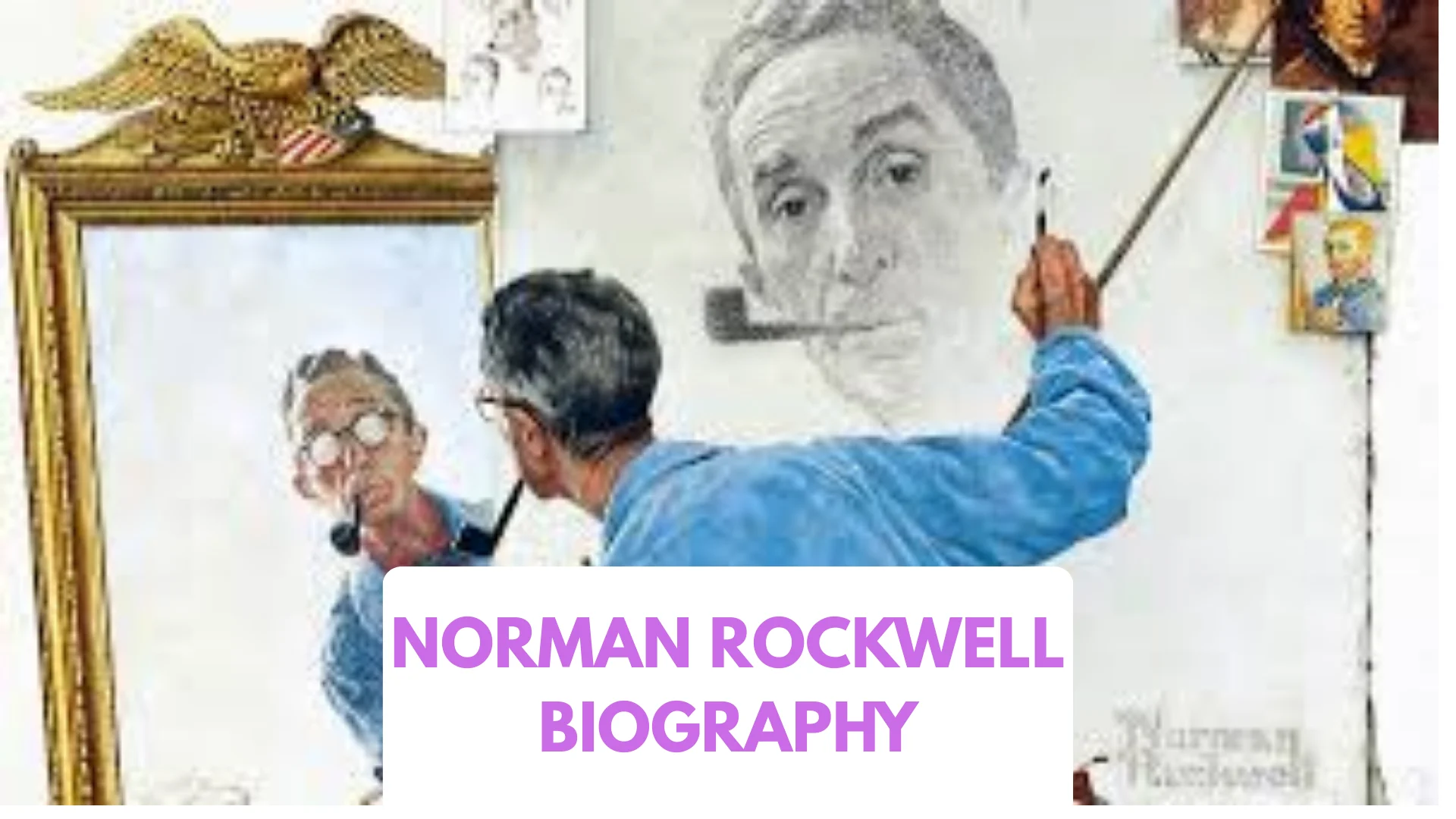
Norman Percevel Rockwell is one of the most recognizable names in 20th-century American art. Famous for warm, narrative paintings and magazine covers that captured everyday life, Rockwell became synonymous with idealized — and sometimes provocatively honest — images of American culture.
His career spanned illustration for magazines, wartime propaganda, socially aware magazine work, and a lasting museum legacy.
Early life and training
Born on February 3, 1894, in New York City, Norman Rockwell showed an early passion for drawing and painting. He left conventional high school at a young age and trained at several art schools, including the Chase Art School (later Parsons), the National Academy of Design, and the Art Students League of New York. These formative years equipped him with technical skill, an eye for storytelling, and a deep appreciation for craft that would define his work.
Breakthrough with magazines
Rockwell’s breakthrough came through illustration work. In 1916 he began a long relationship with The Saturday Evening Post, producing hundreds of covers over nearly five decades. His images — frequently humorous, tender, or quietly observational — spoke directly to an American readership. Over the years Rockwell painted hundreds of covers and illustrations that offered small narratives: kids meeting Santa, awkward first dates, family rituals, and local characters. This steady visibility made his style instantly familiar to millions.
War years and the Four Freedoms
World War II shifted Rockwell’s subject matter in powerful ways. In 1943 he created the celebrated Four Freedoms series (Freedom of Speech; Freedom of Worship; Freedom from Want; Freedom from Fear) inspired by President Franklin D. Roosevelt’s 1941 speech. These paintings were used to rally support for war bonds and became defining images of American ideals during a perilous era. Other wartime works, including patriotic and home-front themes like Rosie the Riveter, cemented his role as both storyteller and propagandist for national morale.
Technique and working method
Rockwell’s method combined photography, staged models, sketches, and a meticulous layering process. He often photographed posed models in his studio, then translated those photos into richly detailed oil paintings. His approach allowed him to capture expression, gesture, and narrative clarity — the traits that made his images readable at a glance and emotionally resonant. He was a consummate technician who believed in drawing first and letting story drive composition.
Transition to more serious themes
Though often associated with wholesome Americana, Rockwell evolved. In the 1960s he moved to Look magazine and tackled heavier social subjects: civil rights, poverty, and political issues. One of his most powerful works from this period is The Problem We All Live With (1964), the image of Ruby Bridges escorted by U.S. Marshals into a segregated school. The painting broke with his earlier sentimentalism and demonstrated his willingness to address national pain with directness
Personal life and later years
Rockwell lived much of his mature life in Stockbridge, Massachusetts, where the landscape and people of New England became recurring subjects. He married twice and had children, and his private life influenced many of his domestic and portrait works. In the late 1950s and 1960s personal grief (the death of his first wife) and social change pushed him toward introspection and bolder subject choices. He continued to paint into the 1970s before his death on November 8, 1978, in Stockbridge.
Reception, criticism, and legacy
Rockwell’s popular success sometimes drew critical snobbery: critics labeled his work sentimental or commercial. Yet later reassessments recognized his technical mastery, narrative subtlety, and — especially in later works — moral courage. Major museums and retrospectives (including a prominent museum dedicated to his art in Stockbridge) preserve more than 700 original works and studies. Rockwell’s paintings regularly fetch high prices at auction and remain central to discussions about illustration as fine art.
Why Norman Rockwell still matters
-
He translated complex human interaction into instantly readable, emotionally honest scenes.
-
His works provide historical windows into American life across decades: the Roaring Twenties, wartime America, postwar suburbia, and the civil rights era.
-
Rockwell bridged popular culture and the fine arts, proving that narrative illustration can hold intellectual and moral weight.
FAQs
Q: When and where was Norman Rockwell born?
A: Norman Rockwell was born on February 3, 1894, in New York City.
Q: What is Rockwell best known for?
A: He is best known for his Saturday Evening Post covers, the Four Freedoms series, Rosie the Riveter, and later social-justice works like The Problem We All Live With.
Q: Did Rockwell only paint sentimental scenes?
A: No. While many works are warm and sentimental, Rockwell also created politically and socially charged paintings, particularly in the 1960s for Look magazine. The Problem We All Live With is a key example.
Q: Where can I see Norman Rockwell’s work today?
A: The Norman Rockwell Museum in Stockbridge, Massachusetts, holds the largest collection of his originals, studies, and archives. Major museums and auctions also display his works.
Q: Did Rockwell receive major awards?
A: Yes — among honors he received in later life was the Presidential Medal of Freedom (posthumous recognition and other distinctions are recorded across institutions).
Conclusion
Norman Rockwell’s art endures because it tells stories we recognize — small human dramas, national ideals, and the contradictions of American life. From the bright illustrated pages of The Saturday Evening Post to the sober, decisive images of the civil rights era, Rockwell translated experience into enduring images. Whether you encounter his work as nostalgic Americana or as historically charged commentary, his paintings continue to provoke thought, recall memory, and invite conversation about who we are as a culture.


 Glen
Glen