 Glen
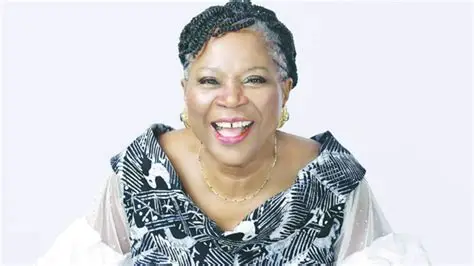
GlenOnyeka Onwenu was a multifaceted Nigerian talent whose voice, presence, and activism left a lasting impact on music, film, broadcasting, and public service. Born in 1952 and passing in 2024, she earned the affectionate nickname “Elegant Stallion” for her graceful strength and commanding stage presence.
Her career spanned decades, during which she blended pop, highlife, and later gospel influences while addressing social issues through song and screen. She worked as a broadcaster, journalist, actress, politician, and advocate for women’s rights and national unity. Onwenu’s life reflected resilience shaped by early loss and a commitment to using her platform for positive change in Nigeria.
Onyeka Onwenu Early Life
Onyeka Onwenu was born on 31 January 1952 in Obosi, in what was then the Colony and Protectorate of Nigeria. She hailed from Arondizuogu in Ideato North, Imo State, southeastern Nigeria, but was raised in Port Harcourt, the capital of Rivers State.
She was the youngest daughter of Dickson Kanu Onwenu (also referred to as D.K. Onwenu), a prominent educationist and politician. Her father died in a tragic car accident on 10 December 1956 when Onyeka was just four years old. The accident occurred along the Port Harcourt-Aba Road when his vehicle crashed into an oil bean tree. This happened only a week before he was due to assume the position of Minister for Education.
Her mother, Hope Onwenu, was left to raise five children alone. The husband’s family denied her access to his property, adding significant hardship. This experience of single motherhood and resilience later inspired Onyeka’s song “African Woman” from her album One Love. The Nigeria-Biafra War (1967–1970) also affected the family, forcing displacements and disruptions in their lives.
Onyeka attended primary schools including St. Cyprian’s and St. Peter’s in Port Harcourt. Her secondary education was interrupted by the war but continued at institutions such as National High School in Arondizuogu and Zixton Memorial Grammar School in Ozubulu. These early challenges built the foundation for her determined character.
Onyeka Onwenu Education
Onwenu pursued higher education in the United States. She earned a Bachelor of Arts degree in International Relations and Communication from Wellesley College in Massachusetts. She later obtained a Master of Arts in Media Studies from The New School for Social Research in New York.
Before returning to Nigeria, she worked as a tour guide for the United Nations. This international exposure broadened her perspective on global issues, which she would later bring into her Nigerian career. In 1980, she returned home to complete her mandatory one-year National Youth Service Corps (NYSC) with the Nigerian Television Authority (NTA) in Lagos.
Onyeka Onwenu Broadcasting and Journalism Career
Onwenu made a strong impression at NTA as a newsreader, reporter, and presenter. She hosted programs such as Contact (1988) and Who’s On? (around 1993). Her fearless investigative journalism stood out in an era when bold reporting was rare.
In 1984, she produced the notable BBC/NTA documentary Nigeria: A Squandering of Riches, which highlighted corruption and the mismanagement of national resources. The film resonated widely and boosted her national profile. Her work often focused on social issues, including health, peace, and women’s rights.
Onyeka Onwenu Music Career
Onyeka Onwenu launched her recording career in 1981 while still at NTA. Her debut album, For the Love of You, was a pop release featuring an orchestral cover of Johnny Nash’s “Hold Me Tight,” produced by Berkley Jones.
Her second album, Endless Life, produced by Sonny Okosun, included a cover of the Everly Brothers’ “Walk Right Back.” Both early albums appeared under the EMI label.
In 1984, she released In The Morning Light with Polygram, recorded in London. It featured “Masterplan,” written by her friend Tyna Onwudiwe. Subsequent albums included One Love (1986), which showcased collaborations with King Sunny Ade on tracks like “Choice” and “Wait For Me,” emphasizing family planning themes.
In 1988, Dancing In The Sun adopted a more afrocentric sound. By 1992, she released the self-titled Onyeka! under Benson and Hedges Music. In the 1990s, she transitioned to gospel and Christian music, releasing projects like The Worship Project. Her music often addressed unity, HIV/AIDS awareness, women’s empowerment, and social justice.
Popular songs include “One Love,” “Ekwe,” “Iyogogo,” “You And I,” “Living Music,” and “Bia Nulu.” Compilation albums such as the Golden Songs series preserved her catalog for new generations.
Notable Albums
- For the Love of You (1981/1982)
- Endless Life (1982)
- In The Morning Light (1984)
- One Love (1986)
- Dancing In The Sun (1988)
- Onyeka! (1992)
- The Worship Project and various Golden Songs volumes
Her songs combined powerful vocals, meaningful lyrics, and cultural pride, making her a voice for national unity.
Onyeka Onwenu Acting Career
Onwenu appeared in numerous Nollywood films, often in strong maternal or authoritative roles. She featured in Half of a Yellow Sun (2013) alongside Chiwetel Ejiofor and Thandiwe Newton. Other credits include Lionheart (2018), God Calling (2018), Muna (2019), Obara’M (2022), and Ije Awele (2022).
Earlier works encompassed titles like Rising Moon, Omalinze, Women’s Cot, The Trinity, and Government House. She received a nomination for Best Actress in a Leading Role at the Africa Movie Academy Awards for Rising Moon. Her screen presence brought depth and authenticity to Nigerian cinema.
Onyeka Onwenu Political and Public Service Career
Onwenu served as Chairperson of the Imo State Council for Arts and Culture. In 2013, she was appointed Executive Director of the National Centre for Women Development in Abuja, where she championed women’s empowerment initiatives.
She was active in politics, associated at times with parties like the Democratic People’s Party, and used her influence to advocate for good governance and social causes. Her public service reflected a consistent dedication to national development.
Onyeka Onwenu Achievements and Recognition
Onwenu received the Member of the Order of the Federal Republic (MFR) honor. She earned lifetime achievement awards and recognition for her contributions to music, film, and activism. Her work on women’s rights, health awareness, and anti-corruption earned widespread respect.
She judged the Nigerian X Factor series in 2013 and continued performing and speaking on social issues into her later years. Her autobiography, My Father’s Daughter (2021), offered personal insights into her life and struggles.
Onyeka Onwenu Personal Life
Onwenu kept much of her personal life private. She married in 1984 to a Yoruba Muslim man but later faced challenges in the union, which she described in her autobiography as difficult. In addition, she was the mother of two sons, Tijani Charles and Abraham Ogunlende (also referred to as Tijani and Abraham). She focused on raising them while maintaining her career.
She drew strength from her Christian faith in later years and remained close to her Igbo roots. Her life embodied the strength of African womanhood she often celebrated in song.
Onyeka Onwenu Legacy
Onyeka Onwenu passed away on 30 July 2024 at Reddington Hospital in Lagos after collapsing following a performance at the 80th birthday celebration of Stella Okoli, CEO of Emzor Pharmaceuticals. She was 72. Her final act on stage symbolized a life dedicated to her craft and audience.
She was laid to rest privately on 30 August 2024 after a service at the Fountain of Life Church in Ilupeju, Lagos. Tributes poured in from across Nigeria and beyond, highlighting her role as a trailblazer for women in entertainment and public life.
Her music, films, and advocacy continue to inspire. Onwenu proved that talent, education, and courage could drive meaningful change. She remains a symbol of elegance, resilience, and national pride.
Onyeka Onwenu Impact on Nigerian Culture
Onwenu helped elevate the status of female artists in a male-dominated industry. Her refusal to be confined to one genre or role set a precedent. Through highlife-infused pop and gospel, she fostered messages of love, unity, and empowerment that transcended generations.
Her documentary work and journalism exposed societal ills, while her acting brought nuanced portrayals of Nigerian women to screens. In public service, she prioritized practical support for women’s development.
Read More: Alicia Kanini Biography, Age, Net Worth, Education, Husband and Family Background
Onyeka Onwenu Influence on Future Generations
Younger artists and activists cite Onwenu as a role model. Her blend of artistry and activism showed how creative professionals could engage with governance and social issues. Songs promoting tolerance and women’s rights retain relevance in contemporary Nigeria.
Conclusion
Onyeka Onwenu lived a rich, impactful life defined by versatility and purpose. From her early challenges to her enduring contributions across multiple fields, she exemplified dedication to excellence and service. Her voice, both literal and metaphorical, continues to echo in Nigerian hearts. She will be remembered as a true icon whose legacy encourages future generations to pursue their passions with integrity and courage.
FAQs
What was Onyeka Onwenu known for?
Onyeka Onwenu was known for her work as a singer, songwriter, actress, broadcaster, journalist, and advocate. She produced influential documentaries, acted in major films, and used music to address social themes.
When and where was Onyeka Onwenu born?
She was born on 31 January 1952 in Obosi, Nigeria, and raised in Port Harcourt.
What are some popular songs by Onyeka Onwenu?
Popular tracks include “One Love,” “Ekwe,” “Iyogogo,” “You And I,” and “Bia Nulu.” Her gospel songs also gained wide appeal.
Did Onyeka Onwenu win any awards?
Yes, she received the MFR national honor, acting nominations, and various lifetime achievement recognitions for her contributions to arts and culture.
How many children did Onyeka Onwenu have?
She had two sons: Tijani and Abraham.
What caused Onyeka Onwenu’s death?
She passed away on 30 July 2024 at age 72 after collapsing following a live performance in Lagos.

 Glen
Glen